
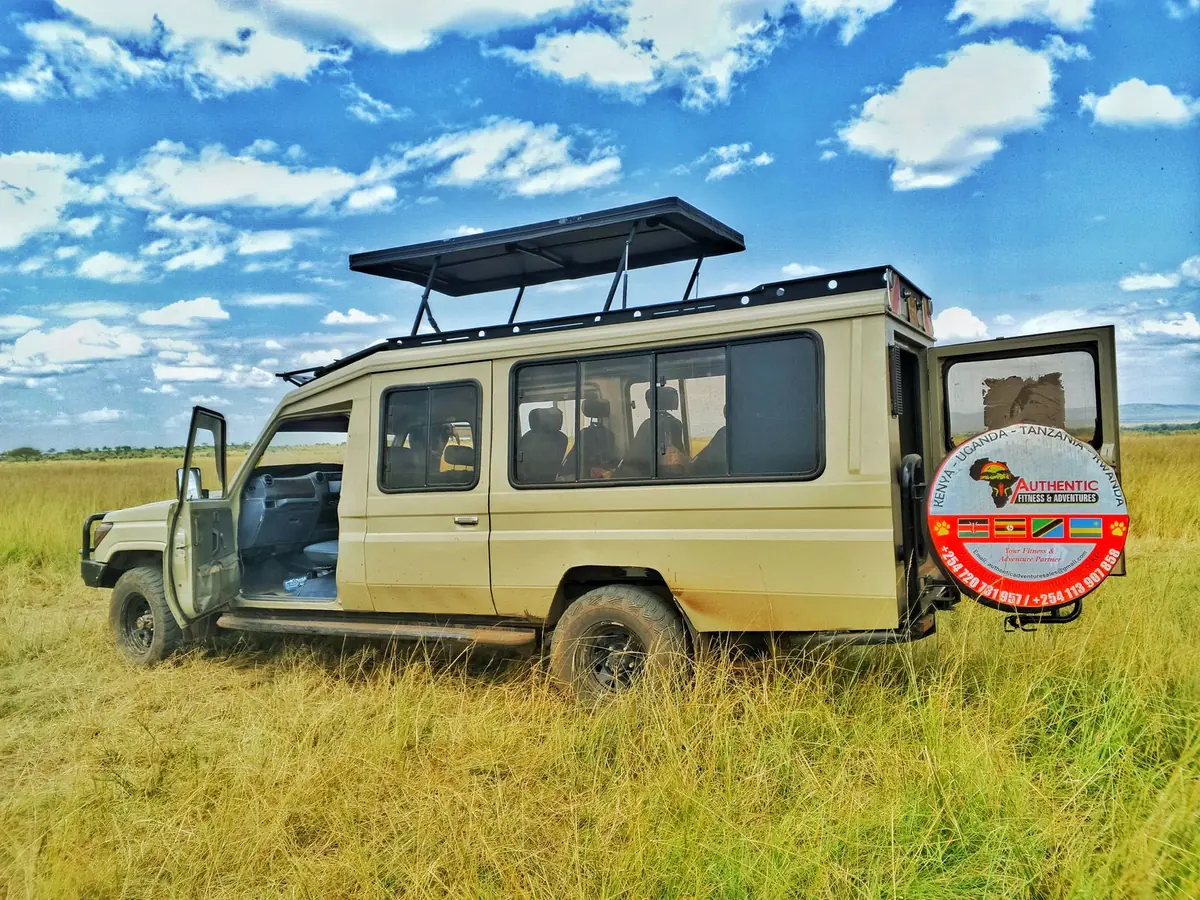
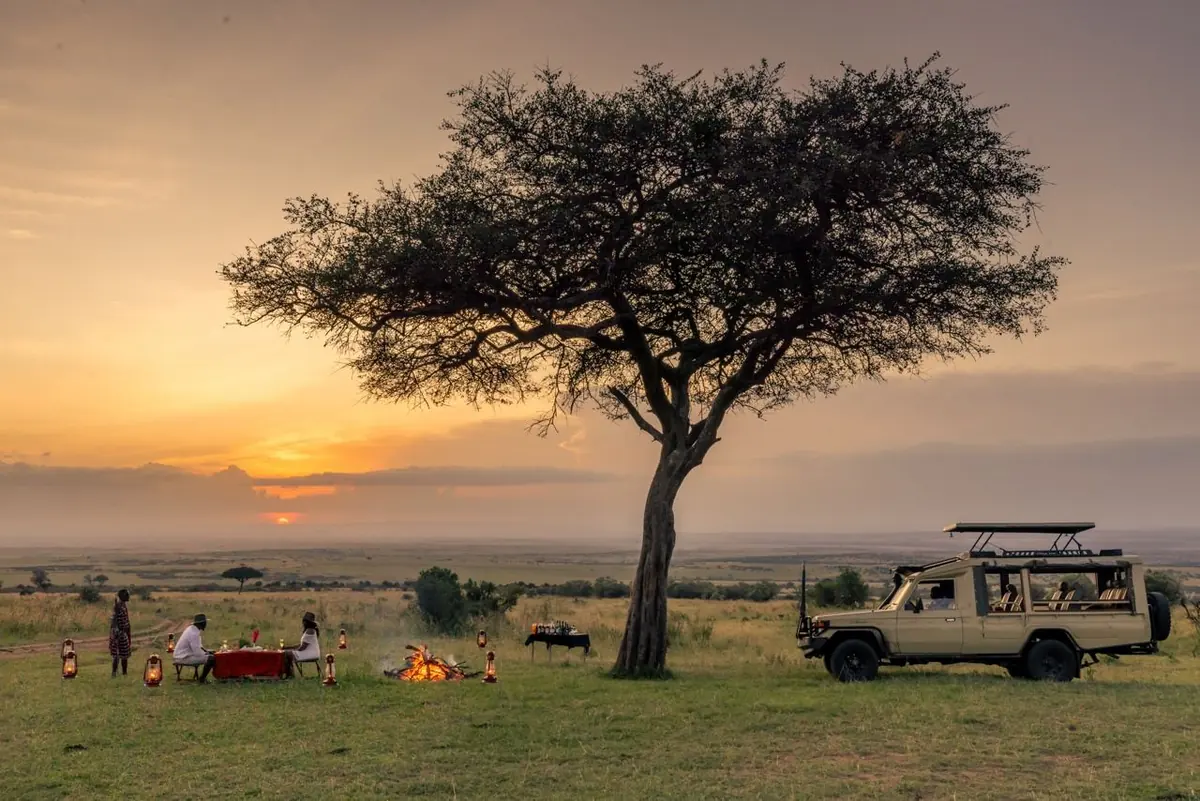
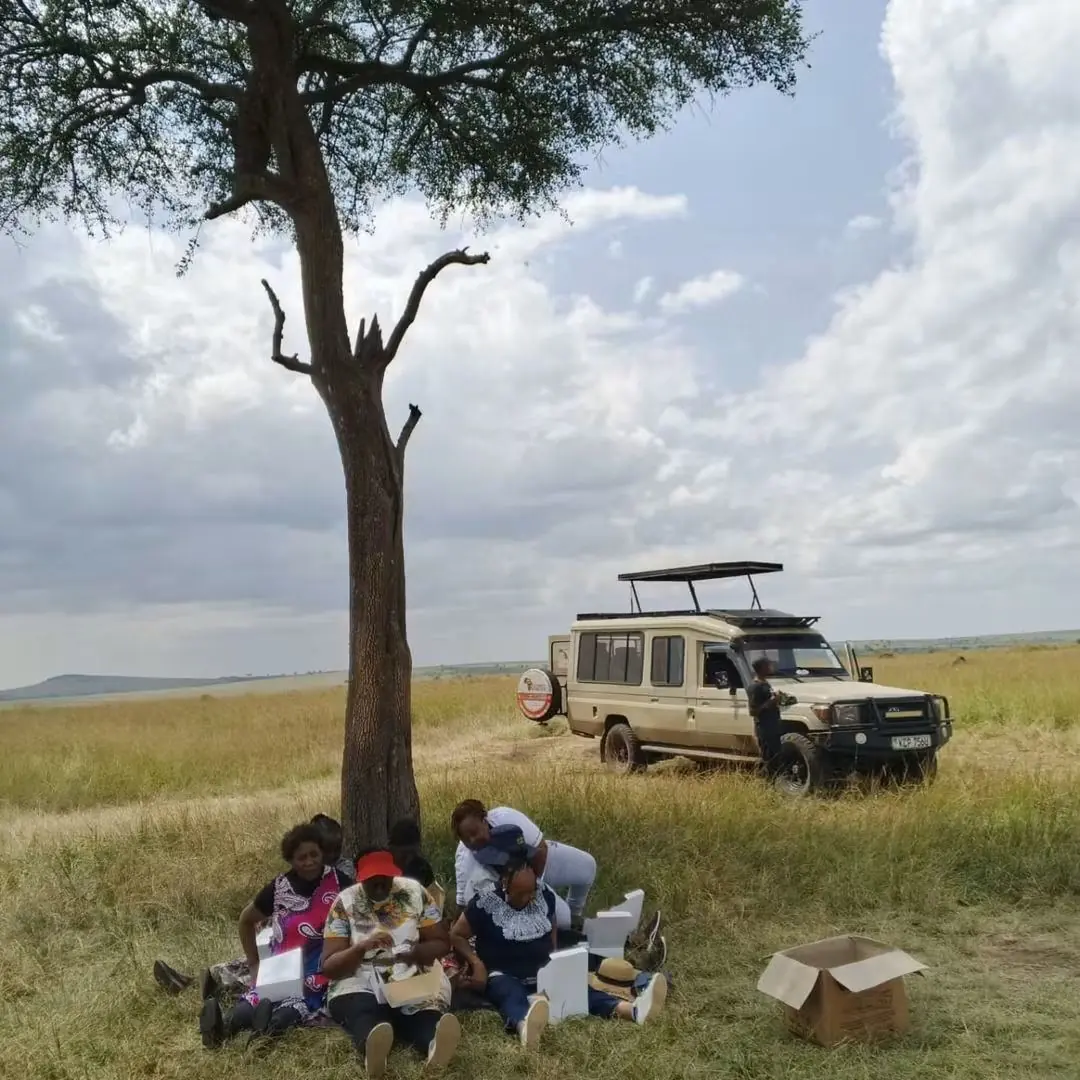
Spent December at the coast and now craving lions without the August crowds?
A Kenya safari in January falls in the short dry season. Days are warm, the plains are green and game viewing is strong across the Masai Mara, Amboseli and Samburu. The migration herds are calving in Tanzania's southern Serengeti, so the Mara is quieter. Mara fees drop back to USD 100 or KES 1,500 a day.

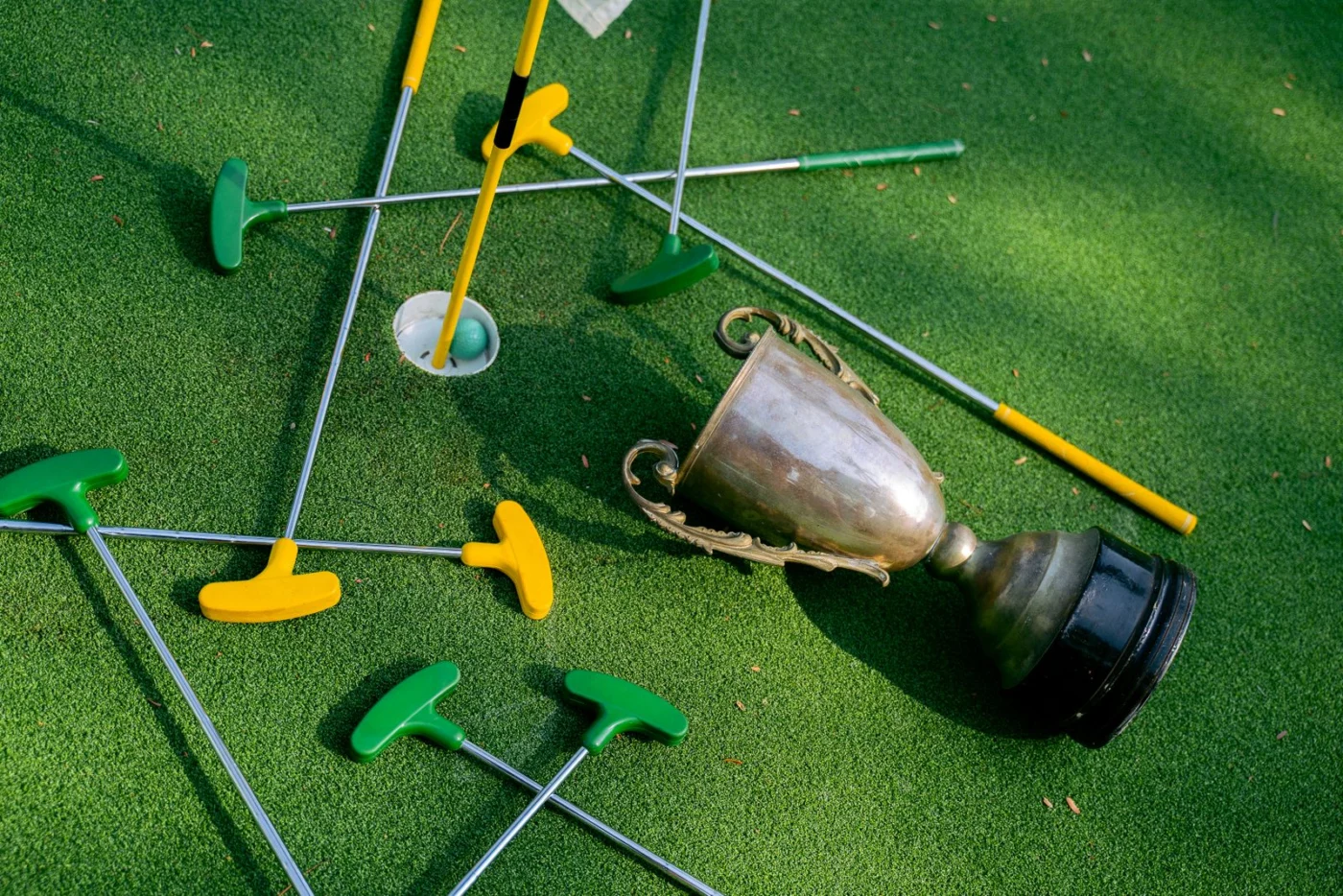
 Title sponsor
Alumni Golf Challenge
We are the title sponsor this year.
Golf is part of who we are, so we put our name behind the Alumni Golf Challenge. Want more golf after the day? Tell us when you are free. We book your tee time at Karen, Muthaiga or Vipingo Ridge and sort the transfers and the stay.
- SeasonShort dry seasonSome showers possible
- Mara weatherAbout 28°C daysAround 11 to 14°C at dawn
- MigrationCalving in southern SerengetiLate January to March
- Mara fee, non residentUSD 100 per dayLow season rate
- Mara fee, citizenKES 1,500 per dayLow season rate
Rated 4.9 on Google from 47 reviews. Price confirmed in writing before you pay.
A Kenya safari in January is one of the best value trips of the year, with lower park fees and quieter roads than mid year. The short rains of November and December leave the parks green and full of water, then January dries out with warm sunny days. Resident lions, cheetahs, leopards and elephants stay put, so sightings are strong even without the migration.
Crowds are thin because Kenyan schools are back and international peak season is over. The Masai Mara also returns to its lower fee on 1 January. This guide covers the weather, where the migration is, what you pay and where to go.
Highlights
- Warm, mostly dry days with green scenery
- Mara fees at low season rates from 1 January
- Fewer vehicles than July to October
- Resident big cats and elephants in the Masai Mara
- Calving season starts in the southern Serengeti in late January
- Great birding with migrant species from Europe
- Good month for Amboseli, Samburu and Lake Nakuru too
January park fees per adult per day
| Park | Kenyan citizen | Non resident |
|---|---|---|
| Masai Mara National Reserve | KES 1,500 | USD 100 |
| Mara Triangle | KES 1,500 | USD 100 |
| Amboseli or Lake Nakuru | KES 1,500 | USD 90 |
| Nairobi National Park or Tsavo | KES 1,000 | USD 80 |
| East African resident in the Mara | KES 2,500 | Not applicable |
- Mara low season fees apply from January to June.
- Children 8 and under enter the Mara free. Citizen children 9 to 17 pay KES 300 in low season.
- Fees are set by Narok County, the Mara Conservancy and KWS and are confirmed when you book.
Get my exact price on WhatsApp
Is a Kenya safari in January a good idea?
Yes. January is a short dry season with good roads and easy game viewing. Grass is green after the short rains, which makes for sharp photos and healthy animals.
It is also good value. The Mara fee is half the July rate. Fewer vehicles mean you share sightings with fewer people. If you want the river crossings you need July to October. For everything else, January works very well.
What is the weather like on a Kenya safari in January?
January is warm and mostly dry. In the Masai Mara days reach around 28°C. Mornings sit around 11 to 14°C. The month averages about 85 mm of rain, usually as short afternoon showers that pass quickly.
Amboseli is hot and clear with good Kilimanjaro views. Samburu is hot and dry. Nairobi is sunny and pleasant. Pack light clothes, a warm layer for dawn and a light rain jacket just in case.
Where is the Great Migration in January?
In January the big herds are in the southern Serengeti and the Ndutu area of Tanzania. Calving runs from late January to March. Over half a million calves are born in that window, with up to 9,000 born in a single day at the peak.
Calving brings intense predator action. Lions, cheetahs and hyenas follow the herds. To see it, combine Kenya with Tanzania. Our 4 day Ndutu calving season safari is built for this. The Serengeti park fees guide lists the costs.
What can you see in the Masai Mara in January?
The Mara has strong resident wildlife all year. In January expect lions, cheetahs, leopards, elephants, buffalo, giraffes, topi and large herds of resident zebra and gazelle. Many antelope have young, which keeps predators busy.
January is also a top birding month. Migrant birds from Europe and Asia join local species. Bring binoculars and ask your guide to stop for them. Our Masai Mara animals guide shows what to look for.
How much does a Kenya safari in January cost?
Park fees are lower than in high season. In the Masai Mara a non resident adult pays USD 100 per day, a Kenyan citizen KES 1,500 and an East African resident KES 2,500. KWS parks are the same all year: USD 90 or KES 1,500 for Amboseli and Lake Nakuru, USD 80 or KES 1,000 for Nairobi National Park and Tsavo.
Lodge pricing varies. Some camps treat January to March as high season, others offer good value after the festive peak. The first week of January is often still busy and priced like December. From the second week, rates and availability improve. See our Masai Mara entry fees guide for every category.
How busy are the parks in January?
Quiet compared with mid year. Kenyan schools reopen in the first week of January, so local family trips drop. International travel is moderate. You often have sightings to yourself, even in the main reserve.
New Year week is the exception. Lodges near Nairobi, Naivasha and the Mara fill with holiday makers until about 3 January. Plan your trip for the second half of the month for the calmest parks.
Best places for a January safari in Kenya
The Masai Mara is still the top choice for big cats. Amboseli is excellent for elephants and the clearest views of Kilimanjaro. Samburu offers rare northern species such as the reticulated giraffe and Grevy's zebra. Lake Nakuru is good for rhinos.
A simple January plan is three nights in the Mara, then two in Amboseli. Or pair the Mara with the Serengeti for calving on our Masai Mara and Serengeti safari.
January also suits a bush and beach trip. The coast is hot, sunny and calm after the festive rush. Hotel rates ease after the first week. Fly from the Mara to the coast with a connection, or take the SGR from Nairobi. Finish with four lazy nights by the sea.
How to book your trip
Book four to eight weeks ahead for most lodges. Calving camps in Ndutu fill earlier, so book those three to four months ahead. Pay a deposit and clear the balance in instalments by Mpesa, bank or card.
Residents should look at our Masai Mara packages for residents. Travelling over the festive season instead? Read our Kenya safari in December guide. We plan every Maasai Mara trip around your dates and budget.
Questions people ask
Is January a good time for a safari in Kenya?
Yes. January is a short dry season with warm days, green scenery and strong game viewing. Masai Mara fees drop to the low season rate on 1 January and crowds are thin. The only thing you miss is the river crossings, which happen from July to October.
Where is the wildebeest migration in January?
In January the herds are in the southern Serengeti and Ndutu area in Tanzania. Calving starts in late January and runs to March. To see it from Kenya, add a few nights in Tanzania to your Mara safari or book a calving season trip from Nairobi.
Does it rain in the Masai Mara in January?
Sometimes. January is a short dry season, but the Mara averages about 85 mm of rain in the month, usually in short afternoon showers. Game drives rarely stop for rain. Pack a light rain jacket and a warm layer for cool mornings.
How much is the Masai Mara fee in January?
January uses the low season rate. Non resident adults pay USD 100 per day, East African residents KES 2,500 and Kenyan citizens KES 1,500. Citizen children 9 to 17 pay KES 300 and children 8 and under enter free. Conservancies charge their own fees on top.
Is January cheaper than August for a Kenya safari?
Usually, yes. The Mara fee is half the August rate and vehicles are easier to book. Some lodges still charge high season rates from January to March, so compare camps. Avoid the first days of January, when festive season prices often still apply.
How many days do I need for a January safari?
Three nights in the Masai Mara covers the essentials. Five to seven nights lets you add Amboseli, Lake Nakuru or Samburu. If you want to see calving in Tanzania, plan at least seven nights so you can fit Ndutu in without rushing.
Sources we checked: Mara Triangle (Mara Conservancy): conservation fees and ticket rules; Narok County Government (manages the Masai Mara National Reserve); Kenya Wildlife Service: conservation fees from October 2025; AllAfrica: Serengeti calving season, late January to March; Sunheron: Masai Mara monthly climate averages; Rough Guides: Masai Mara in January. Rules and fees change, so we confirm them again when you book.
Ready when you are. Send your dates and group size. We reply with a clear price and a plan you can change.
Chat on WhatsAppYou may also like
Kenya Safari in January, Weather, Wildlife & Best Deals 2025/2026See the detailsRead more4 Day Tanzania Calving Season Safari: Ndutu and Serengeti in January and FebruarySee the detailsRead more3 Day Masai Mara Safari from Nairobi (Private, Lodge and Camp)See the detailsRead moreKenya Safari in December: Weather, Wildlife and Prices, Month by MonthSee the detailsRead moreMaasai Mara Packages for Residents 2026 (KES)See the detailsRead moreMaasai Mara Entry Fees 2026: Non Residents, Residents and CitizensSee the detailsRead more
 3 Day Masai MaraFrom USD 850
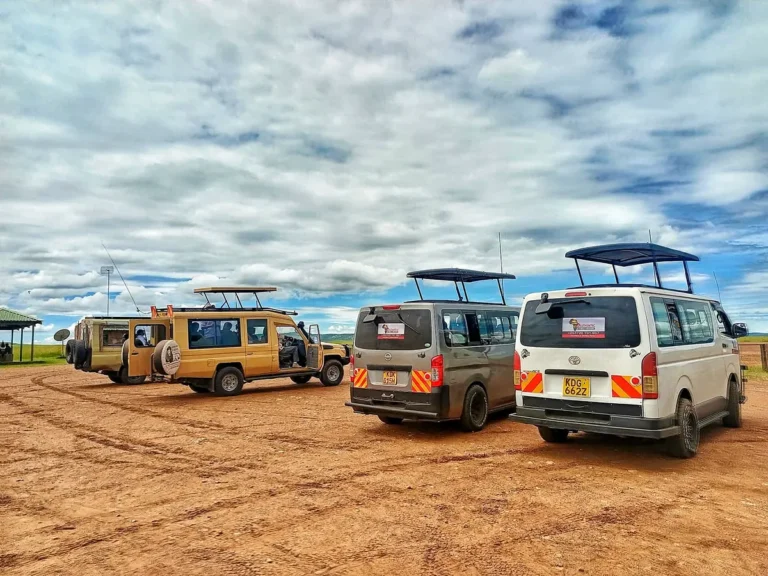 Mara group joiningFrom USD 395
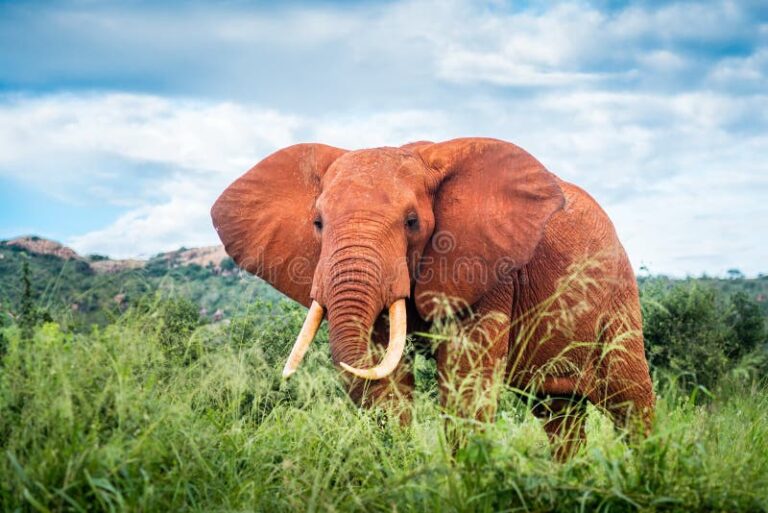 3 Day AmboseliFrom USD 850
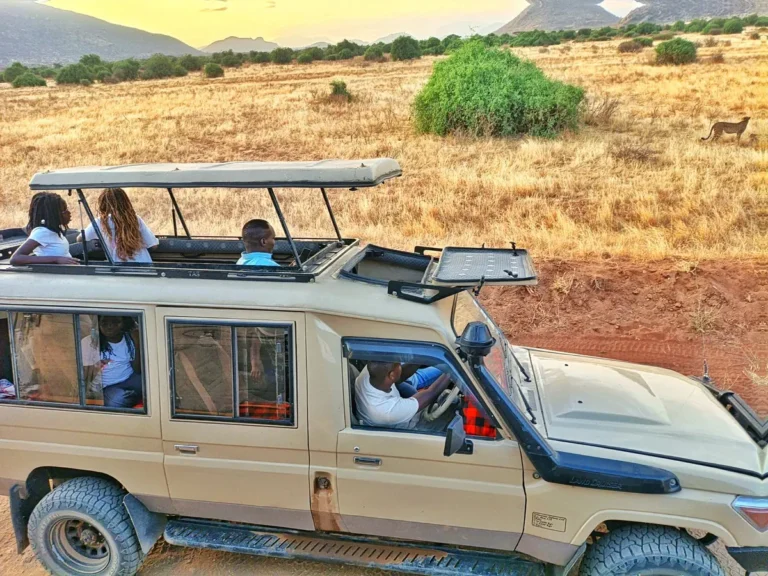 5 Day Kenya SafariFrom USD 1,180
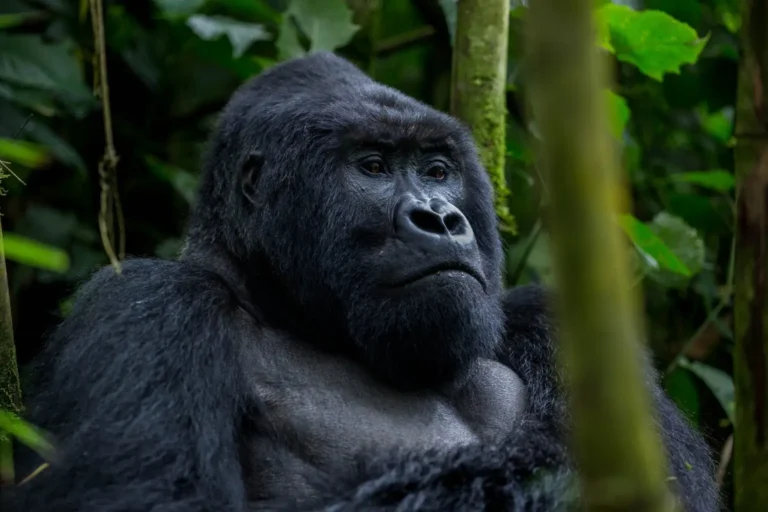 Uganda gorilla trekFrom USD 1,260