
Kenya safari tipping is not compulsory, but it is genuinely expected and getting the amounts roughly right before you travel saves you doing mental maths at the end of a long game drive.
- FromUSD 10 to 20 per daytypical driver guide tip, per group per day
- DurationRead time 8 min
- StartsApplies across Kenya safari trips
- Best forAnyone budgeting tips ahead of a Kenya trip
Rated 5.0 on Google from 46 reviews. Price confirmed in writing before you pay.
This guide sets out typical ranges for your driver guide, camp staff and specialist roles like gorilla trackers or Kilimanjaro porters, based on what most operators and guides in Kenya consider standard. Treat these as sensible starting points, not fixed rules.
We also cover currency, timing and etiquette, since how you tip matters almost as much as how much.
Highlights
- Driver guides: typically USD 10 to 20 per day, per group, not per person
- Camp and lodge staff: often a pooled box, USD 10 to 15 per person per day
- Gorilla trackers and porters: USD 10 to 15 per activity, per group
- Kilimanjaro crews: a separate, larger tipping structure split across roles
- USD cash in good condition is the easiest currency for tips
- Tip at the end of your stay or trip segment, not each individual drive
Kenya safari tipping, suggested guideline amounts
| Role | Suggested tip |
|---|---|
| Driver guide | USD 10 to 20 per day, per group |
| Camp or lodge staff (pooled) | USD 10 to 15 per person per day |
| Balloon pilot and crew | USD 10 to 15 per person |
| Gorilla trackers and porters | USD 10 to 15 per group, per role |
| Kilimanjaro guide and crew | USD 20 to 25 per day, guide; less per porter |
- These are general guidelines based on common practice, not fixed or mandatory rates.
- Camps often provide a communal tip box at checkout, split among all staff rather than tipped individually.
- Kilimanjaro tipping follows a more structured, multi role system; ask your operator for their specific recommended breakdown.
Get my exact price on WhatsApp
Why Kenya safari tipping matters
Driver guides, camp staff, porters and trackers across Kenya’s tourism industry rely on tips as a meaningful part of their income, on top of a base wage. Kenya safari tipping is not written into any contract, but it is a well established, widely followed practice among both local and visiting travellers.
Getting a rough figure sorted before you travel means you are not improvising with an unfamiliar currency on your last morning, distracted and rushed while trying to say a proper goodbye to people who made your trip work.
How much to tip your driver guide
A common guideline is USD 10 to 20 per day, per group rather than per person, handed directly to your driver guide at the end of the trip. A longer, multi day safari with a guide who went well beyond the basics might justify the higher end of that range.
If several people share one vehicle, the group figure is usually pooled and given as one amount, not multiplied by each traveller. Kenya safari tipping for driver guides is almost always the single biggest tip on any trip, since this person shapes your whole experience.
Tipping camp and lodge staff
Most camps and lodges use a communal tip box at reception or checkout, split among all staff, from housekeeping to kitchen to the waiters who served you each meal. A common guideline is USD 10 to 15 per person per day for the full stay, added to the box on departure.
Some smaller camps handle this differently, with a suggested per stay amount rather than a daily figure. Ask at check in if you are unsure which system a specific property uses.
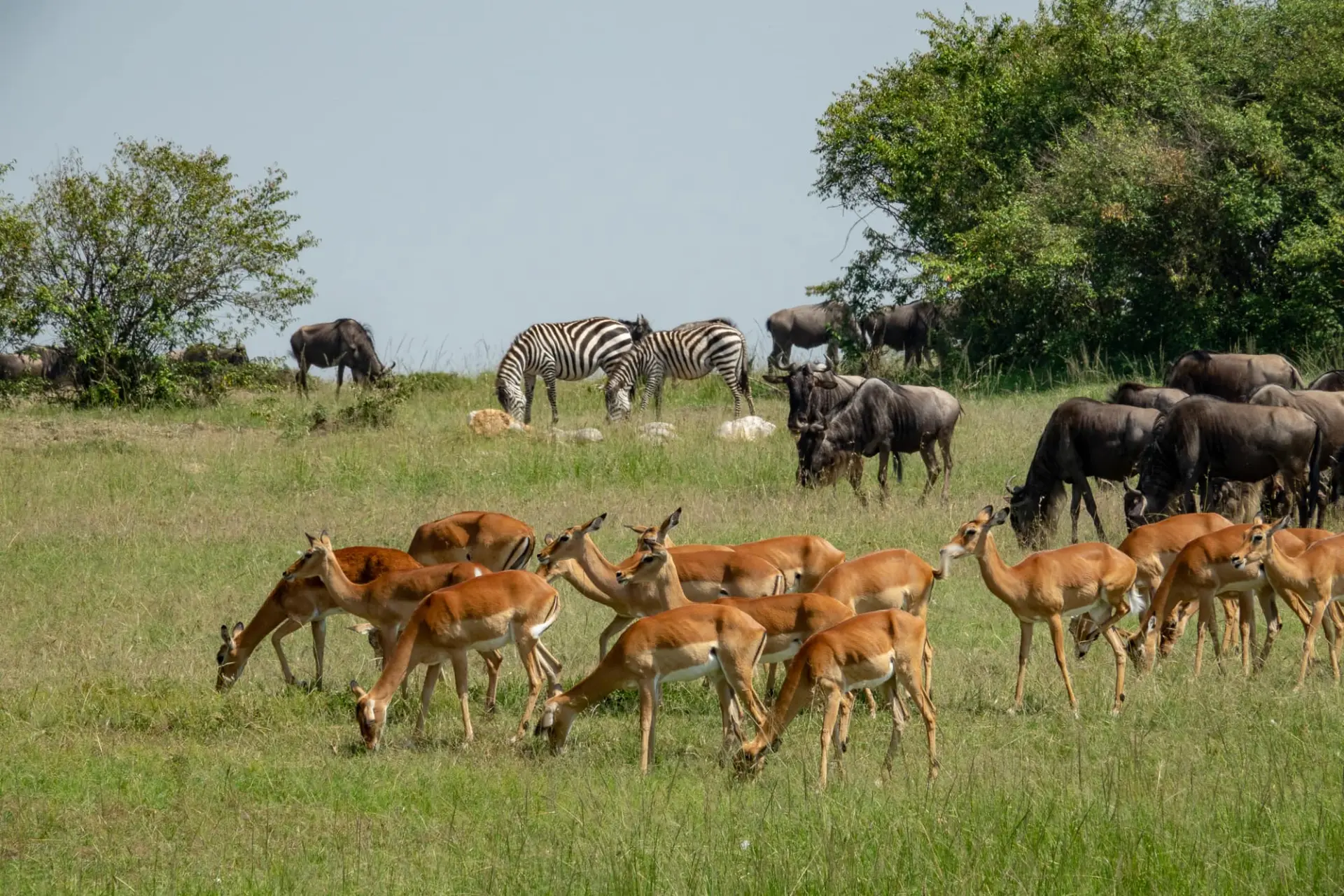
Should I tip in USD or KES
USD cash in good, unmarked condition is the most widely accepted currency for tips across Kenya’s safari industry, since many staff prefer to hold savings in a stable currency. KES is equally acceptable and sometimes more practical for smaller, local tips such as a porter carrying bags.
Whichever currency you use, bring smaller denominations, since change is not always readily available for a tip handed over informally at the end of a stay.
Tipping gorilla trackers and Kilimanjaro crews
Gorilla trekking in Uganda or Rwanda involves several roles worth tipping separately: your guide, armed ranger and any porter you hired to carry your bag up the mountain. A common guideline is USD 10 to 15 per group per role, handed over at the end of the trek.
Kilimanjaro climbs use a larger, more structured crew, a lead guide, assistant guides, a cook and multiple porters, each with a different suggested tip. Ask your operator for their specific recommended breakdown before you climb, since the roles and numbers vary by route and group size.
Group tipping versus individual tipping
For a driver guide shared across a private group, pool the tip and hand it over as one amount rather than each person tipping separately, which avoids an awkward moment of several people fumbling for cash at once.
For camp staff, using the communal tip box is almost always the smoothest approach, since it gets distributed fairly among everyone who contributed to your stay, including people you may never have directly interacted with.
When and how to tip
Tip at the end of your trip or trip segment rather than after each individual game drive, which keeps things simple and avoids an awkward daily routine. A handshake and a direct thank you alongside the tip goes a long way, since the personal gesture matters as much as the amount.
For a driver guide travelling with you across several days, the final morning before drop off is the natural moment. For camp staff, checkout or your last breakfast works well.
Is Kenya safari tipping mandatory
No, it is not legally required or automatically added to your bill in most cases. It is, however, a strongly established custom and staff genuinely rely on it as part of their income. Skipping it entirely without reason would be unusual, though the exact amount is always at your discretion.
If you feel service fell short in a specific instance, it is reasonable to tip less than the guideline range, but this is uncommon on a well run trip with an operator you trust.
Can I tip with a card or mobile money
Rarely, for individual tips. Most driver guides, camp staff and porters expect cash, either USD or KES, since it can be used immediately without a bank account or network connection. Mobile money, M Pesa in particular, is sometimes possible for a driver guide you have built a rapport with over several days, but cash remains the standard.
See our money and M Pesa guide for the wider picture on currency and payments during your trip, separate from tipping specifically.
Kenya safari tipping on different trip types
A short 2 or 3 day Mara trip usually means one driver guide for the whole time, so the tip is straightforward, a single amount at drop off. A longer multi park trip, like our 10 day Kenya safari, may involve the same driver guide throughout, which keeps tipping just as simple despite the extra days.
Group joining safaris, where you share a vehicle with other travellers, work the same way for the driver guide tip, pooled across everyone in the vehicle rather than split by however many separate bookings are on board. See our Kenya group joining safaris page for how shared departures are structured.
Special activities and one off tips
A hot air balloon flight involves its own pilot and ground crew, separate from your regular driver guide and a small tip, commonly USD 10 to 15 per person, is appreciated at the end of the champagne breakfast. See our Maasai Mara hot air balloon safari page for the full activity details.
A boat crew on Lake Naivasha, a dhow captain on the coast, or a specialist walking guide at a conservancy each work similarly, a small, separate tip at the end of that specific activity rather than folded into your main driver guide tip. Our Lake Naivasha boat ride and Crescent Island page covers that particular outing in full.
Common Kenya safari tipping mistakes to avoid
Over tipping early in a trip, before you know how the rest of the days will go, can leave you short toward the end. Spread your planned tip budget across the full trip rather than front loading it on day one.
Another common mistake is assuming a service charge on your final camp bill already covers staff tips. It rarely does and is usually a separate operational charge, so check with reception if you are unsure before you leave a smaller amount than you intended.
Budgeting for Kenya safari tipping
For a standard multi day safari, a rough daily allowance of USD 15 to 25 per person, covering both driver guide and camp staff tips, is a reasonable planning figure. Add this on top of your package price when working out your total trip budget.
See our packing checklist for a reminder to bring enough small denomination cash and our Kenya safari planning guide for the wider budgeting picture beyond Kenya safari tipping alone.
How Kenya safari tipping compares with other destinations
Tipping culture across East Africa follows broadly similar patterns, though exact figures shift slightly between Kenya, Tanzania, Uganda and Rwanda. If your trip crosses borders, for example combining a Kenya safari with Uganda gorilla trekking, plan for a fresh, separate tip at each stage rather than one blended figure.
Guests arriving from countries with little or no tipping culture sometimes find Kenya safari tipping unfamiliar at first. Treat it simply as an expected part of the total trip cost, budgeted in alongside your safari cost breakdown rather than an awkward extra decision made on the spot.
A quick reference before you travel
Bring a mix of small USD bills, plan roughly USD 15 to 25 per person per day across driver guide and camp staff tips and set aside separate smaller amounts for one off activities like a balloon flight or a boat trip.
If in doubt on the day, ask your driver guide or camp manager directly what is typical, or message us on WhatsApp before you travel and we will walk you through it. Most are happy to give an honest answer and it is a perfectly normal question for a visitor to ask about Kenya safari tipping before their final morning.
Turn this Kenya safari tipping guide into a real trip
Reading about Kenya safari tipping is the fun part. Planning around it is where most people get stuck. Here is how we take you from an idea to a confirmed trip, step by step, with no surprises.
- Send your dates. Message us on WhatsApp with your travel dates, how many people are coming and the ages of any children. Tell us if you have a budget in mind. We plan with it, not around it.
- Get a written quote. We reply with a clear price per person, what it includes and what it does not. No hidden park fees and no vague extras. If a cheaper camp or a shorter route makes more sense, we say so.
- Tweak it until it fits. Change a camp, add a night or swap a park. Ask as many questions as you like. Changes cost nothing until you confirm.
- Confirm with a deposit. A deposit holds your vehicle, guide and rooms. You get a written confirmation with every detail and the date the balance is due.
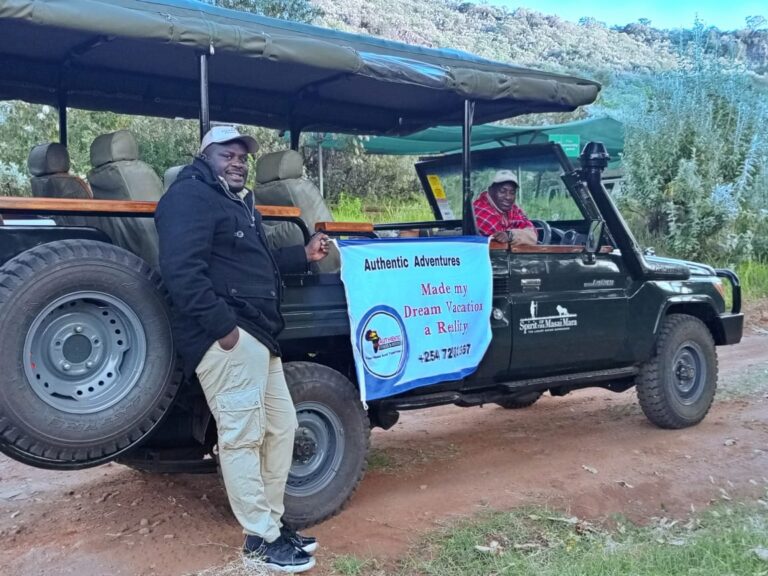
- Travel day. Your driver guide meets you at your hotel or the airport with a name board. You have their number and ours for the whole trip.
What every trip with us includes
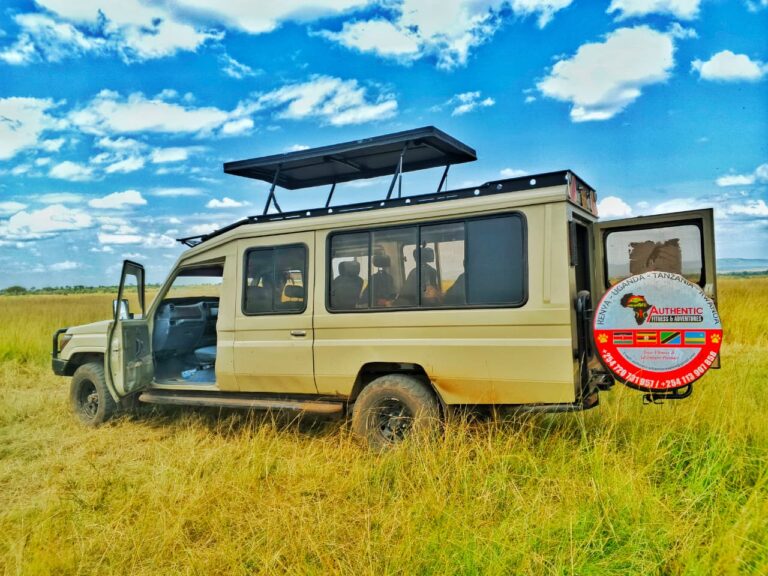
Every Kenya safari tipping plan we put together comes with the basics done properly. You ride in a safari vehicle with a pop up roof, with a professional driver guide who knows the parks. Water is in the cooler box and park fees are sorted in advance so you do not stand in a queue at the gate.
We also stay reachable. If something changes on the road, a flat tyre, a closed route or a sudden storm, we sort it and keep you posted on WhatsApp.
Paying safely
We share payment details in writing only and every payment gets a receipt. The payment options and the balance date sit on your written quote, so nothing is left to memory or a phone call.
Why book with a Nairobi team
We live here. We drive these roads all year, we know which camps are honest about their photos and we know when a park is too busy to enjoy. That local knowledge is what turns a good Kenya safari tipping into a great one. Our Google rating sits at 5.0 from 46 reviews and we plan to keep it that way.
Ready when you are. Send us a message and we will put a plan together for you shortly.
Questions people ask
How much should I tip my safari guide?
A common guideline is USD 10 to 20 per day, per group rather than per person, handed directly to your driver guide at the end of the trip. Longer trips or guides who went beyond the basics often justify the higher end of that Kenya safari tipping range.
Should I tip in USD or KES?
Both are accepted. USD cash in good condition is the most widely preferred currency across Kenya’s safari industry, while KES works well for smaller, local tips. Bring smaller denominations of whichever currency you choose, since change is not always available.
How do I tip lodge staff?
Most camps and lodges use a communal tip box at reception or checkout, split among housekeeping, kitchen and waiting staff. A common guideline is USD 10 to 15 per person per day for the full stay, added to the box on departure rather than tipped to individuals.
How much do I tip porters on Mount Kenya or Kilimanjaro?
Kilimanjaro and Mount Kenya climbs use a structured crew with guides, cooks and porters, each with a separate suggested amount, commonly USD 20 to 25 per day for a lead guide and less per porter. Ask your operator for their specific recommended breakdown before you climb.
Is tipping mandatory in Kenya?
No, it is not legally required, but it is a strongly established custom in the safari industry and staff rely on it as part of their income. Kenya safari tipping is always at your discretion, though skipping it entirely without reason is uncommon on a well run trip.
Can I tip with a card or mobile money?
Rarely. Most driver guides, camp staff and porters expect cash, either USD or KES, since it can be used immediately. Mobile money is occasionally possible for a driver guide you have built rapport with, but cash remains the standard for Kenya safari tipping.
Official information: Magical Kenya travel tips.
Ready when you are. Send your dates and group size. We reply with a clear price and a plan you can change.
Chat on WhatsAppYou may also like
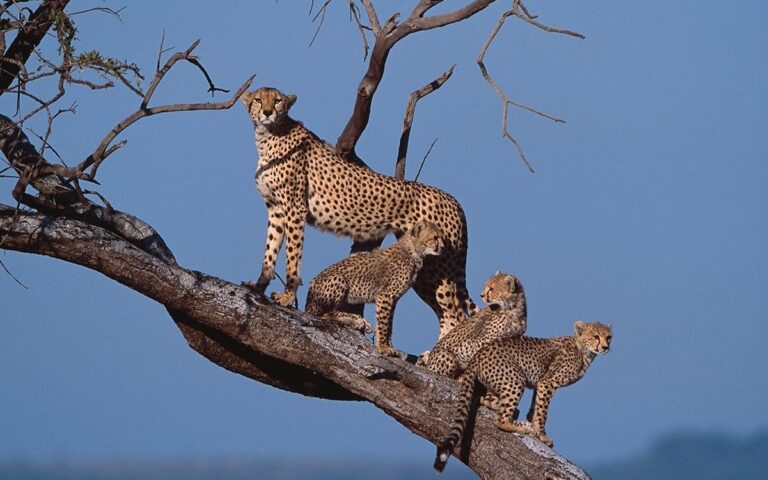 Money in Kenya for Tourists: Currency, M Pesa, Cards and ATMsRead time 9 minFrom USD 1 to 5What to Pack for a Kenya Safari (Printable Checklist)Read time 10 minFrom Free checklist
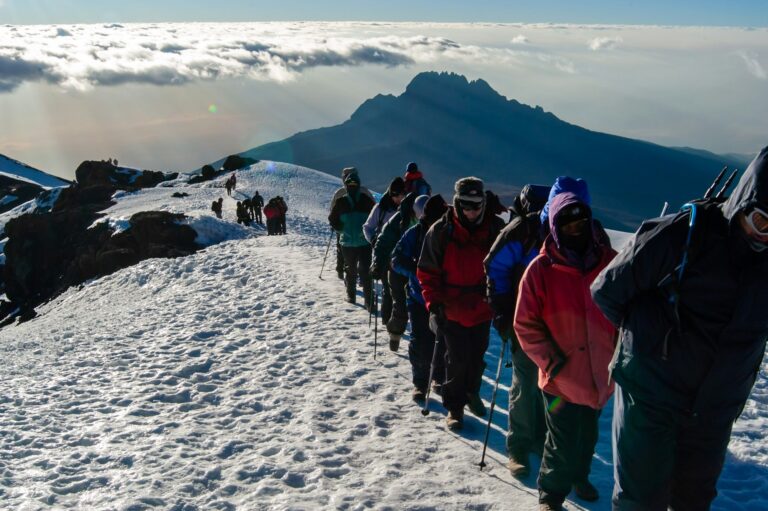 Kilimanjaro Routes Compared: Machame, Lemosho, Marangu, RongaiRead time 11 minFrom USD 1,900
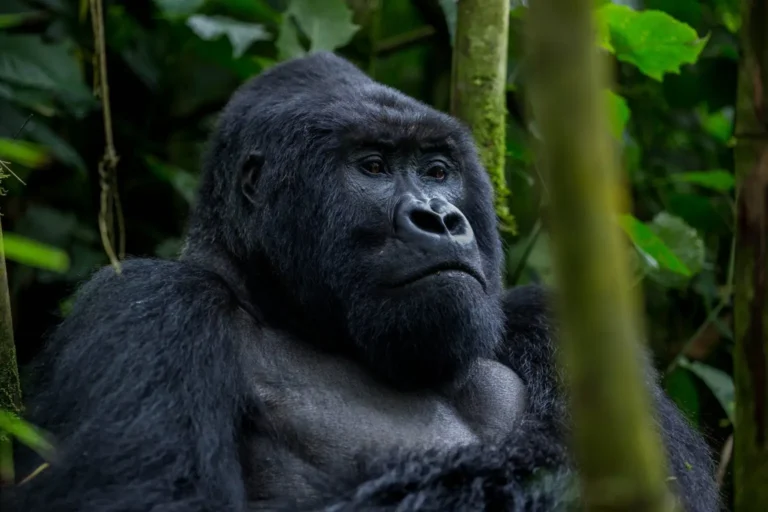 3 Day Uganda Gorilla Trekking via Kigali (Bwindi)3 days, 2 nightsFrom USD 1,260How to Plan a Kenya Safari: Step by Step for First TimersRead time 10 minFrom USD 850
 Kenya Safari Month by Month: Weather, Wildlife and PricesRead time 10 minFrom USD 850