

The best time to climb Kilimanjaro is January to mid March and June to October. These are the dry months, with clear skies, firmer paths and the best chance of a calm summit morning.
- FromUSD 1,950per person, 6 day climb from Nairobi, group of 6, park fees, crew and transfers included
- DurationRead time 10 min
- StartsNairobi, about 6 to 7 hours by road to Moshi
- Best forTrekkers choosing their Kilimanjaro dates
- StyleSmall groups and private climbs
Rated 5.0 on Google from 46 reviews. Price confirmed in writing before you pay.
This best time to climb Kilimanjaro guide goes month by month, route by route. It explains the rainy seasons, the summit cold, full moon climbs and the busiest weeks. It also shows what a climb costs from Nairobi and how to match your dates to your fitness and your budget.
We run Kilimanjaro climbs from Nairobi with park fees, crew and transfers included. We confirm every price in writing on WhatsApp before you pay.
Highlights
- Dry seasons are January to mid March and June to October
- The long rains run from late March to May
- Short rains fall in November and early December
- Summit night is well below freezing in every month
- Rongai is the drier route in wet months
- A 6 day climb from Nairobi starts at USD 1,950 per person
Best time to climb Kilimanjaro: costs and typical prices
| Item | Cost | Notes |
|---|---|---|
| 6 day climb from Nairobi | USD 1,950 | Group of 6, fees and crew included |
| Climb plus safari, 7 days | USD 2,390 | Kilimanjaro trek and wildlife safari |
| Typical market range | USD 1,900 to 3,500 | Depends on route and days |
| Mount Kenya warm up, 4 days | from USD 790 | Group of 6, fees included |
- Guide prices per person confirmed in writing on WhatsApp before any payment.
- Prices cover park fees, crew and transfers but not flights, tips, gear hire or travel insurance.
- Peak months from July to September book out first. Reserve 4 to 6 months ahead.
Get my exact price on WhatsApp
The best time to climb Kilimanjaro in short
Choose June to October for the most reliable weather. Choose January to mid March for fewer people and warmer days. Avoid April and May if you dislike wet tents and cloudy views.
Both dry seasons are good for the best time to climb Kilimanjaro and give you a chance of a clear summit morning. The cold is serious in every month. The best time to climb Kilimanjaro is the one that fits your fitness, your leave days and your budget.
Kilimanjaro seasons at a glance
The mountain has two dry seasons and two wet seasons, which shape the best time to climb Kilimanjaro.
- Main dry season, June to October: clear skies, cold nights, busiest trails.
- Short dry season, January to mid March: warm days, fewer climbers.
- Long rains, late March to May: heavy cloud, muddy paths, quiet camps.
- Short rains, November to early December: showers, mist and few crowds.
Best time to climb Kilimanjaro month by month
Use these notes to find the best time to climb Kilimanjaro for your dates.
January and February
Warm days and dry trails. The summit can be icy, but clear mornings are common. This is the second most popular window and a strong choice for avoiding the July crowds.
March
Early March is often still dry. Late March brings the first heavy rains. Plan a climb that finishes before the rains settle in.
April and May
The wettest months. Camps are quiet and prices can drop. Expect cloud, rain on the lower slopes and snow near the top. Only pick these months if you accept the risk.
June to August
Dry, clear and cold. Stable weather makes this the classic best time to climb Kilimanjaro. July and August are the busiest, so book early.
September and October
Still dry and slightly warmer. Crowds thin out after August. This is a great window for good weather with fewer people.
November and December
The short rains bring mist and afternoon showers. Early November is often fine. Christmas is a popular week, so book ahead if you want a New Year summit.
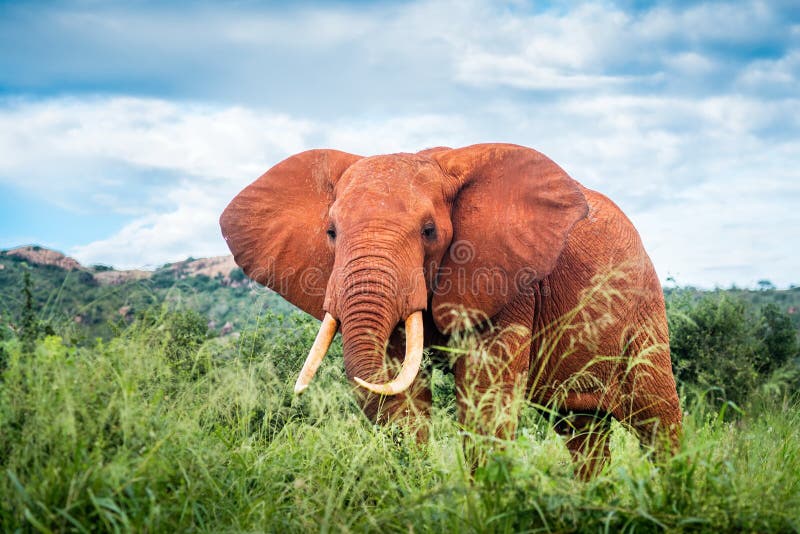
Best time to climb Kilimanjaro by route
Route choice changes the best time to climb Kilimanjaro because it changes the weather you meet. Our guide to Kilimanjaro routes compared explains each trail in detail.
Rongai starts on the drier northern side, so it is the best choice in wet months. Machame and Lemosho are scenic but rainier on the south side. Marangu uses huts and suits those who prefer a roof, but it has a short acclimatisation window. Choose a longer route for a better summit success rate.
Summit night temperatures
Summit night is cold in every month. At Uhuru Peak, 5,895 metres above sea level, temperatures often fall to minus 10 or minus 20 degrees Celsius with wind. The wind makes it feel colder.
You start around midnight and reach the crater rim at sunrise. Layers, warm gloves, a good hat and insulated boots matter more than the month you pick. Hire gear if you do not own it.
Full moon climbs
Some trekkers plan the best time to climb Kilimanjaro around a full moon. The moonlight lights the glaciers and the route. You may need less headlamp use. Full moon weeks are popular, so book early.
Check a lunar calendar when you pick dates. Full moon climbs sell out first in July, August and January. Clear skies matter more than the moon, so do not pick a wet month only for the moon.
Crowds and booking ahead
The best time to climb Kilimanjaro is also the busiest. July to September and January and February fill first. Camps fill and queues form on summit night. Book 4 to 6 months ahead for these dates.
Shoulder months such as June, October and early March give a good balance of weather and quiet trails. If you want solitude, accept more rain risk in April, May or November.
What the Kilimanjaro climate zones feel like
You walk through five zones in a week. The cultivated slopes and rainforest are warm and humid, up to about 2,800 metres. Heath and moorland follow, then alpine desert above 4,000 metres. The arctic summit zone starts above about 5,000 metres.
Rain falls mostly in the forest and moorland. Cold and thin air dominate above 4,000 metres. Pack for all five zones, whatever the month.
Best time to climb Kilimanjaro for photography
Photographers love the dry months for crisp morning light and clear views of the glaciers. From June to October the sky is often cloud free at dawn. The Shira plateau and Barranco Wall look best in clean light.
In wet months, mist can hide the peak for days, but it also makes dramatic cloud scenes. If views matter most, pick September or February. Carry spare batteries, because the cold drains them fast. Keep them inside your jacket at night.
Packing for the season you choose
Pack for rain and cold in any month. The base layer, mid layer and shell system works year round. Waterproof trousers and a good rain jacket matter most in April, May and November.
Bring warm gloves, a wool hat, a buff and trekking poles. Hire a four season sleeping bag if you do not own one. Break in your boots before you travel. We share a full packing list when you book.
Getting from Nairobi to the mountain
Most Kenyan climbers drive to Namanga and on to Moshi or Arusha. The trip takes about 6 to 7 hours with the border stop. Kenyans do not need a visa for Tanzania. Carry your passport and your yellow fever certificate.
Our climbs from Nairobi include transfers. See Tanzania safaris from Nairobi if you want to add a Tanzania safari. Plan 1 night in Moshi before the climb to rest and check your gear.
What park fees and crew cost
Kilimanjaro costs more than most treks because of park fees, camping fees and a large crew. A group climb has a guide, assistant guides, porters and a cook. The crew carries your bags and sets up camp.
Our 6 day climb at USD 1,950 includes park fees, crew and transfers for a group of 6. Tips are extra. A good tip pool is standard practice and rewards the crew for hard work.
Choosing the best time to climb Kilimanjaro for your fitness
If you are new to altitude, choose a longer route in a dry month. A 7 or 8 day climb gives your body extra days to adapt. If you are very fit, a 6 day climb can work.
Train for 8 to 12 weeks with long walks, hill work and a loaded pack. Spend a weekend on Mount Kenya or Ngong Hills if you can. Good sleep and hydration help more than any gadget.
Success rates and how timing helps
Success on Kilimanjaro depends on acclimatisation, pace and weather. A longer route in a dry month gives you the best odds. Stable weather helps your body and your mood on summit night.
Wet weather adds fatigue and cold damp gear. If you pick a wet month, add a spare day and bring a second set of dry base layers. Your guide will watch for altitude symptoms and turn you back if needed. Safety always comes first.
Travel insurance and booking tips
Buy travel insurance that covers trekking to 6,000 metres and emergency evacuation. Check that it includes helicopter rescue. Read the small print on altitude limits.
Keep your passport, yellow fever certificate and booking confirmation in a waterproof pouch. Pay a deposit to hold your dates early, because the best weeks sell out.
Climb with a safari or a warm up trek
Many climbers add a wildlife safari after the summit. Our Kilimanjaro trek and wildlife safari combines both. A 6 day climb from Nairobi is at 6 day Kilimanjaro climb from Nairobi.
For a warm up, try Mount Kenya. See Mount Kenya climbing packages for 3 to 6 day options. Time at altitude improves your odds on Kilimanjaro. See our Kilimanjaro climbing cost page for prices.
Fitness, altitude and health
Altitude is the main challenge, not technical climbing. Walk slowly, drink water and sleep well. Longer routes give your body more time to adapt. Talk to your doctor about altitude medicine before you go.
Yellow fever certificates are often checked when you travel between Kenya and Tanzania. Our guide to Kenya vaccinations and malaria explains what to carry. Buy travel insurance that covers trekking to 6,000 metres.
Book your climb
Once you know the best time to climb Kilimanjaro, Authentic Adventures plans your climb from Nairobi with park fees, crew and transfers included. Tell us your dates, your fitness and your budget. We suggest the best route and month.
A deposit holds your climb and the balance can be paid in instalments before travel. See book a trip and pay by card. You can also use the price calculator.
Turn this best time to climb Kilimanjaro guide into a real trip
Reading about best time to climb Kilimanjaro is the fun part. Planning around it is where most people get stuck. Here is how we take you from an idea to a confirmed trip, step by step, with no surprises.
- Send your dates. Message us on WhatsApp with your travel dates, how many people are coming and the ages of any children. Tell us if you have a budget in mind. We plan with it, not around it.
- Get a written quote. We reply with a clear price per person, what it includes and what it does not. No hidden park fees and no vague extras. If a cheaper camp or a shorter route makes more sense, we say so.
- Tweak it until it fits. Change a camp, add a night or swap a park. Ask as many questions as you like. Changes cost nothing until you confirm.
- Confirm with a deposit. A deposit holds your vehicle, guide and rooms. You get a written confirmation with every detail and the date the balance is due.
- Travel day. Your driver guide meets you at your hotel or the airport with a name board. You have their number and ours for the whole trip.
What every trip with us includes
Every best time to climb Kilimanjaro plan we put together comes with the basics done properly. You ride in a safari vehicle with a pop up roof, with a professional driver guide who knows the parks. Water is in the cooler box and park fees are sorted in advance so you do not stand in a queue at the gate.
We also stay reachable. If something changes on the road, a flat tyre, a closed route or a sudden storm, we sort it and keep you posted on WhatsApp.
Paying safely
We share payment details in writing only and every payment gets a receipt. The payment options and the balance date sit on your written quote, so nothing is left to memory or a phone call.
Why book with a Nairobi team
We live here. We drive these roads all year, we know which camps are honest about their photos and we know when a park is too busy to enjoy. That local knowledge is what turns a good best time to climb Kilimanjaro into a great one. Our Google rating sits at 5.0 from 46 reviews and we plan to keep it that way.
Ready when you are. Send us a message and we will put a plan together for you shortly.
Questions people ask
What is the best month to climb Kilimanjaro?
The best time to climb Kilimanjaro for stable weather is August and September. January and February are a strong alternative with fewer climbers. Pick the month that suits your leave days, fitness and budget.
Can you climb Kilimanjaro in the rainy season?
Yes, but it is harder. It is not the best time to climb Kilimanjaro. April and May bring heavy rain, cloud and slippery paths. Rongai is the best route in wet months because it starts on the drier northern side.
How cold is it on Kilimanjaro summit night?
Very cold. Temperatures at the summit often fall to about minus 10 to minus 20 degrees Celsius, with wind making it feel colder. Good layers, gloves and insulated boots matter in every month.
Is there a full moon climb?
Yes. Many operators time the summit night with a full moon. These weeks book out early, especially in July, August and January. Check a lunar calendar before you choose dates.
How far ahead should I book Kilimanjaro?
Book 4 to 6 months ahead for July to September and January and February. Shoulder months can be booked 2 to 3 months ahead. A deposit holds your dates.
What is the best time to climb Kilimanjaro for beginners?
The best time to climb Kilimanjaro for beginners is the dry months of June to October or January to mid March, with a 7 or 8 day route for better acclimatisation. Avoid April and May on your first climb.
Official information: Tanzania National Parks Authority.
Ready when you are. Send your dates and group size. We reply with a clear price and a plan you can change.
Chat on WhatsAppYou may also like
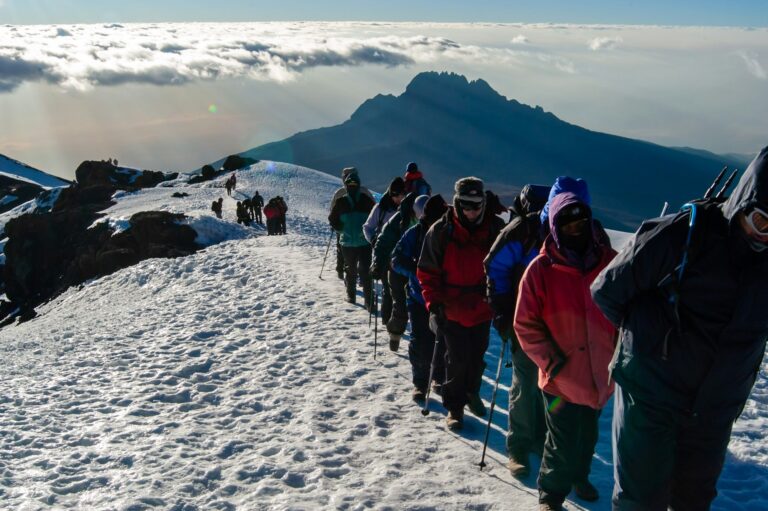 Kilimanjaro Routes Compared: Machame, Lemosho, Marangu, RongaiRead time 11 minFrom USD 1,900
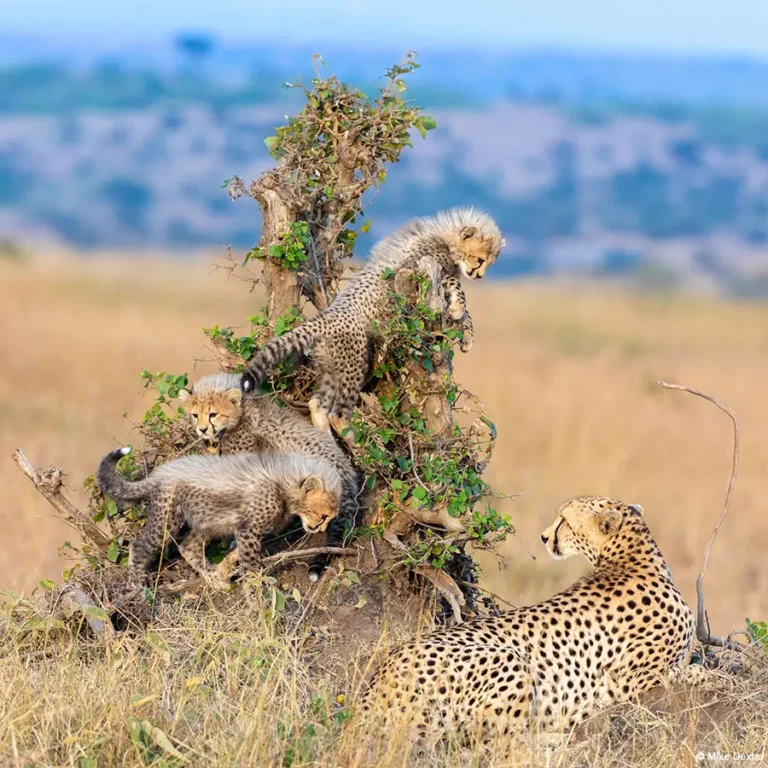 Kilimanjaro climbing costSee prices6 Day Kilimanjaro Climb from Nairobi (Machame, Rongai and Lemosho)6 days on the mountain, about 8 days from NairobiFrom USD 1,950
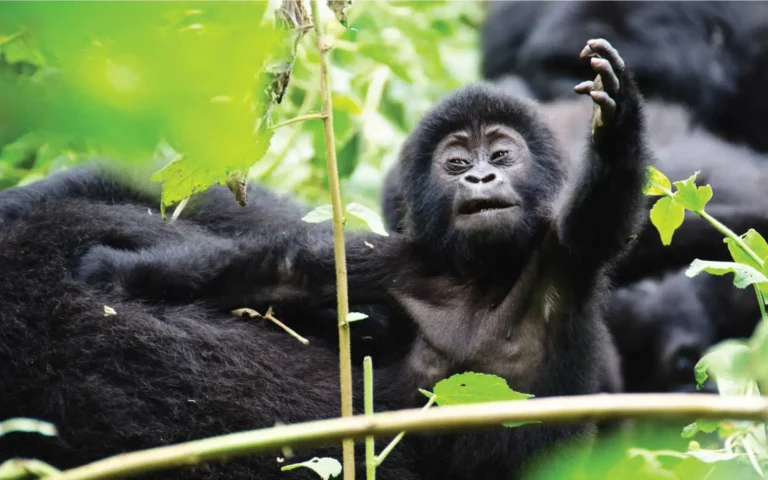 Kilimanjaro trek and safari7 daysFrom USD 2,390
 Mount Kenya Climbing Packages 2026 (All Routes)4 to 5 daysFrom USD 850
 Climbing Mount Kenya: Routes, Difficulty, Best Time and AltitudeRead time 10 minFrom USD 850