
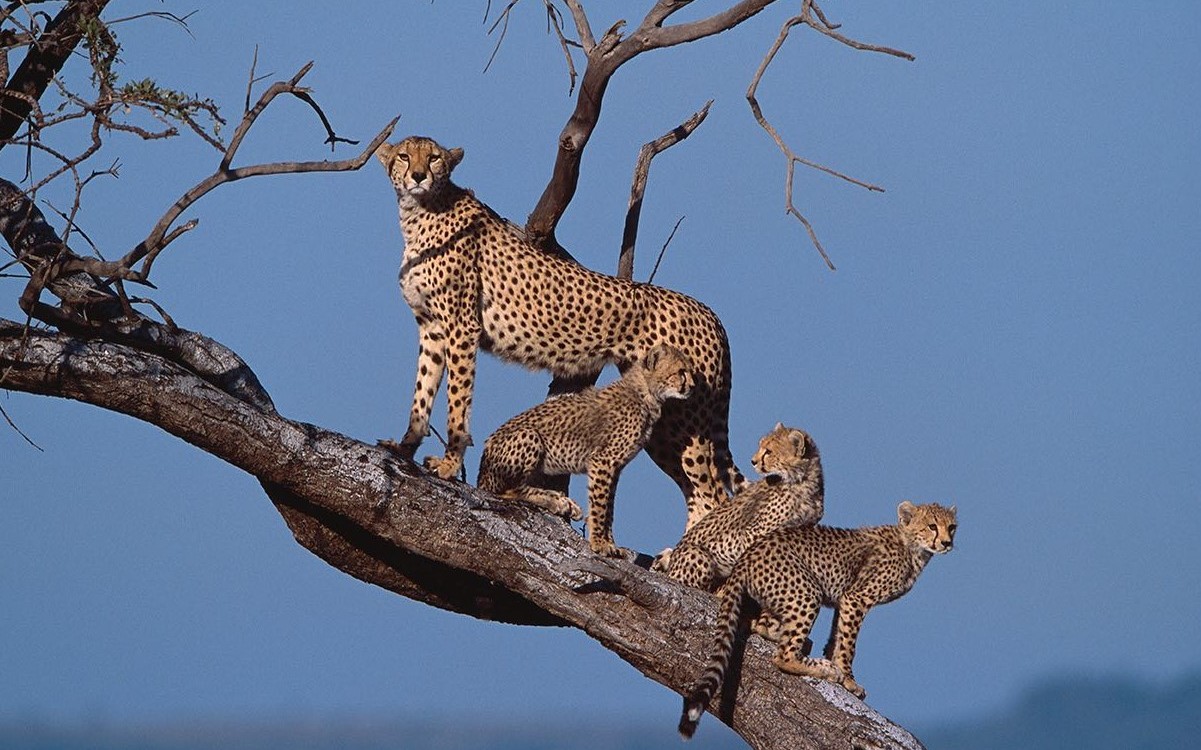
Kenya park entry fees are the single most searched cost question we get, since every park charges its own rate and every rate depends on your status as a non resident, a resident or a Kenyan citizen.
- FromUSD 50cheapest park fee (Hell’s Gate), most parks USD 70 to 100
- DurationRead time 10 min
- StartsAnywhere in Kenya
- Best forAnyone budgeting a Kenya trip
- StyleAll travelers
Rated 5.0 on Google from 46 reviews. Price confirmed in writing before you pay.
We keep this Kenya park entry fees guide updated with current rates park by park, so you can budget accurately before booking rather than discovering the real cost once you reach the gate.
Below is a full tariff table for every major park, how citizen, resident and non resident rates differ, how to pay, and answers to the fee questions travelers ask us most often.
Highlights
- Non resident fees range from about USD 50 to 100 per adult per day at most parks
- Citizen and resident rates are set in KES and far lower than non resident rates
- Children under 3 to 5 (park dependent) generally enter free
- Fees are reviewed periodically, most recently updated 1 Oct 2025 for several KWS parks
- Payment runs through eCitizen or KWS’s own KWSPay system, not cash at most gates
- The Masai Mara is county run, not KWS, and uses its own separate fee structure
Kenya Park Entry Fees 2026, Non Resident Adult Per Day
| Park | Non resident | Notes |
|---|---|---|
| Masai Mara | USD 100 to 200 | 12 hour ticket, Jan to Jun vs Jul to Dec rate |
| Amboseli | about USD 90 | KWS rate effective 1 Oct 2025 |
| Lake Nakuru | about USD 90 | KWS rate effective 1 Oct 2025 |
| Nairobi National Park | about USD 80 | KWS rate effective 1 Oct 2025 |
| Tsavo East and West | about USD 80 | KWS rate effective 1 Oct 2025 |
| Hell’s Gate | about USD 50 | Cheapest major park fee |
| Samburu and Buffalo Springs | about USD 70 to 80 | County managed, confirm at booking |
| Meru | about USD 70 to 80 | KWS rate, less visited, confirm at booking |
| Ol Pejeta Conservancy | about USD 100 plus | Private conservancy, not KWS |
- Rates shown are indicative non resident adult rates and change periodically, always confirm before booking
- A court challenge to the new KWS fee structure was reported, so rates may be revised further
- Citizen and resident KES rates run considerably lower than the non resident figures shown here
Get my exact price on WhatsApp
How Much Are Kenya Park Entry Fees in 2026?
Kenya park entry fees for non resident adults typically range from about USD 50 at Hell’s Gate, the cheapest major park, up to USD 100 to 200 at the Masai Mara depending on season, with most KWS parks sitting around USD 70 to 90 per day.
These are daily per person rates, so a multi day safari through several parks adds up fees for each day spent inside each individual park, which is exactly why we always itemise them separately in every quote rather than folding everything into one vague headline number.
What Are the Citizen, Resident and Non Resident Rates?
Kenya runs a three tier fee system. Non residents pay the highest USD denominated rate, residents (foreigners with valid Kenyan residency) pay a lower KES rate, and citizens pay the lowest KES rate of all three categories.
The gap between tiers is substantial, often 5 to 10 times lower for citizens than the equivalent non resident fee, which is a deliberate policy to keep Kenya’s parks accessible to local visitors. Proof of citizenship or residency, an ID or residency permit, is required at the gate to claim these lower rates.
How Do I Pay KWS Fees (eCitizen and KWSPay)?
Kenya Wildlife Service fees are paid through KWSPay, an electronic system linked to eCitizen, Kenya’s official government services portal, rather than cash payment at the gate for most parks these days.
As a tour operator we handle this payment on your behalf as part of your booking, so you never need to set up your own KWSPay account unless you are self driving and booking independently. See our money and M Pesa guide for tourists for how payment systems generally work in Kenya.
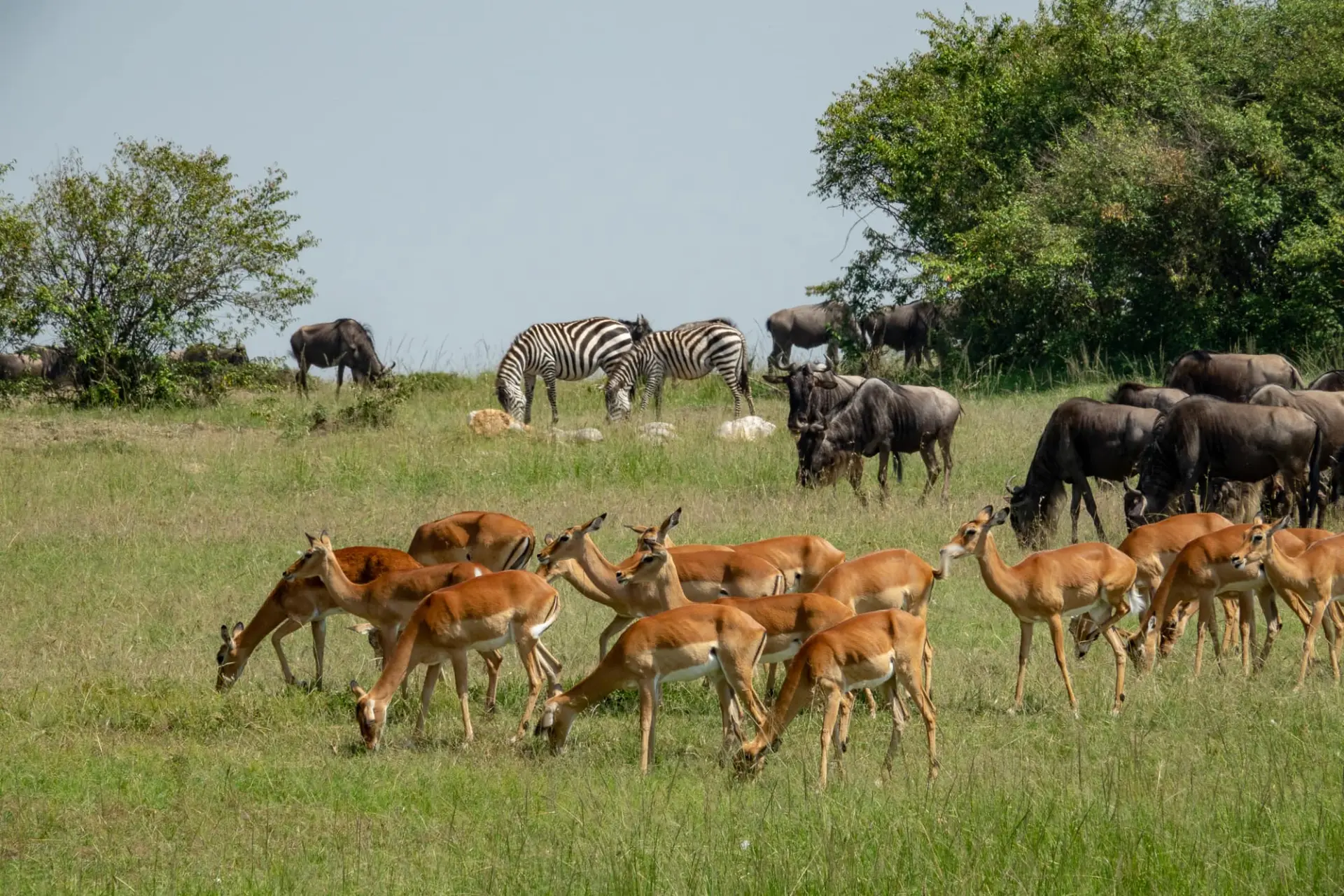
Are Children and Seniors Free?
Most parks offer free entry for young children, typically under 3 to 5 years old depending on the specific park, with a discounted rate for older children up to around 17, roughly half the adult rate at most parks.
Senior discounts are less standardised across different parks and mostly apply to Kenyan citizens and residents rather than non resident visitors, so always confirm the specific policy for your chosen park directly rather than simply assuming a blanket discount applies everywhere across the board.
Are There Multi Park Packages?
KWS offers some multi park annual passes aimed primarily at residents and citizens who visit frequently throughout the year, though most one time international visitors simply pay the standard daily rate for each individual park visited on their itinerary.
For multi destination safaris, we build every Kenya park entry fees line item into one combined quote, so you see a single clear total rather than working out each individual park’s fee separately by yourself before your trip even begins.
When Did the New KWS Fees Start?
The most recent KWS fee revision took effect 1 Oct 2025, raising rates at several parks including Amboseli, Lake Nakuru, Nairobi National Park and Tsavo East and West to their current levels shown in our table above.
A court challenge to this fee increase was reported around the same time, so rates could be revised again in the near future, which is why we recommend confirming current fees directly at booking rather than relying solely on any single published article, including this one right here.
Masai Mara Fees Work Differently
The Masai Mara is managed by Narok County, not KWS, and uses a distinctive 12 hour ticket system rather than a standard daily rate, currently about USD 100 per person from Jan to Jun and USD 200 from Jul to Dec for non residents.
This means a multi day Mara trip often needs more than one ticket per person depending on your exact arrival and departure timing. See our Masai Mara entry fees guide for the full breakdown of this specific system.
Private Conservancies vs National Parks and Reserves
Private conservancies bordering the Masai Mara, along with places like Ol Pejeta, set their own fees independently of both KWS and county government rates, often around USD 100 or more per day.
These conservancy fees typically fund community benefit programmes and lower vehicle density limits than the main reserve, which is part of why conservancy camps tend to cost noticeably more overall despite each one covering a considerably smaller total area than the main park itself.
Kenya Park Entry Fees vs Tanzania and Uganda
Kenya’s fees sit in a broadly similar range to Tanzania’s parks, though Tanzania’s Ngorongoro Crater carries a notably higher separate vehicle fee on top of the standard park entry charge.
Uganda’s gorilla permit fee, at USD 800 per person, dwarfs any single Kenyan park fee by comparison, since it reflects gorilla trekking’s unique conservation funding model rather than standard everyday park entry. See our Tanzania park fees guide for a full country comparison.
How We Handle Park Fees in Your Quote
Every quote we send itemises Kenya park entry fees separately from your vehicle, guide and accommodation cost, so you always know exactly what portion of your total price goes toward park access rather than our services.
Where a fee is genuinely uncertain, due to a pending review or a park we visit less frequently than most, we mark it clearly as an estimate and confirm the exact final figure before you pay any deposit, never after the fact.
Budgeting for Park Fees on a Multi Day Safari
A 7 day safari through several different parks can accumulate several hundred dollars in park fees alone per person, which is genuinely worth factoring into your overall budget separately from accommodation and transport costs from the outset.
See our safari cost and prices guide for how park fees fit into total trip costs across our different package lengths, and our Kenya safari packages and prices page for specific itineraries with fees already included and itemised.
Kenya Park Entry Fees by Region
The Masai Mara and Nakuru region sees the highest Kenya park entry fees of any circuit, given the Mara’s premium 12 hour ticket system, while the Tsavo and Amboseli region toward the coast runs slightly lower on average.
Samburu and the northern circuit sit in the middle of the range, while Nairobi’s own national park is among the cheapest full day game drive options despite sitting inside the capital itself, covered in more detail in our Nairobi National Park half day safari page.
Common Mistakes Travelers Make with Kenya Park Entry Fees
The most common mistake is comparing a headline tour price without checking whether Kenya park entry fees are included, since an excluded fee can add USD 70 to 100 or more per person per day once discovered at the gate.
The second common mistake is assuming a single flat Kenya park entry fees figure applies everywhere, when in fact each park sets its own rate, and the Masai Mara alone uses a completely different ticket system from every KWS managed park.
How Kenya Park Entry Fees Fund Conservation
Park fees are the primary funding source for anti poaching patrols, habitat management and community conservation programmes across Kenya’s protected areas, which is worth remembering when a fee feels high on paper.
Money from Kenya park entry fees also supports research into species like the black rhino, whose recovery across several parks has been a genuine conservation success story funded substantially through visitor fees over recent decades. See our Kenya safari animals guide and where to see the Big Five in Kenya for more on the species this funding protects.
Staying Updated on Kenya Park Entry Fees
Fees change periodically, sometimes with little public notice, so we review this Kenya park entry fees guide regularly and recommend confirming any specific figure directly with us close to your actual travel date rather than relying on an older printed or online source that may already be out of date.
Message us on WhatsApp with your specific itinerary and we will confirm the exact current fees for every park on your route, itemised clearly before you commit to any booking. This applies equally to a single park weekend trip and to a full multi park circuit spanning ten days or more.
Turn this Kenya park entry fees guide into a real trip
Reading about Kenya park entry fees is the fun part. Planning around it is where most people get stuck. Here is how we take you from an idea to a confirmed trip, step by step, with no surprises.
- Send your dates. Message us on WhatsApp with your travel dates, how many people are coming and the ages of any children. Tell us if you have a budget in mind. We plan with it, not around it.
- Get a written quote. We reply with a clear price per person, what it includes and what it does not. No hidden park fees and no vague extras. If a cheaper camp or a shorter route makes more sense, we say so.
- Tweak it until it fits. Change a camp, add a night or swap a park. Ask as many questions as you like. Changes cost nothing until you confirm.
- Confirm with a deposit. A deposit holds your vehicle, guide and rooms. You get a written confirmation with every detail and the date the balance is due.
- Travel day. Your driver guide meets you at your hotel or the airport with a name board. You have their number and ours for the whole trip.
What every trip with us includes
Every Kenya park entry fees plan we put together comes with the basics done properly. You ride in a safari vehicle with a pop up roof, with a professional driver guide who knows the parks. Water is in the cooler box, and park fees are sorted in advance so you do not stand in a queue at the gate.
We also stay reachable. If something changes on the road, a flat tyre, a closed route or a sudden storm, we sort it and keep you posted on WhatsApp.
Paying safely
We share payment details in writing only, and every payment gets a receipt. The payment options and the balance date sit on your written quote, so nothing is left to memory or a phone call.
Why book with a Nairobi team
We live here. We drive these roads all year, we know which camps are honest about their photos, and we know when a park is too busy to enjoy. That local knowledge is what turns a good Kenya park entry fees into a great one. Our Google rating sits at 5.0 from 46 reviews, and we plan to keep it that way.
Ready when you are. Send us a message and we will put a plan together for you shortly.
Questions people ask
How much are Kenya park fees in 2026?
Non resident fees range from about USD 50 at Hell’s Gate up to USD 100 to 200 at the Masai Mara, with most KWS parks around USD 70 to 90 per day. Citizen and resident rates are considerably lower, set separately in KES.
What are the citizen, resident and non resident rates?
Kenya runs three tiers, non residents pay the highest USD rate, residents pay a lower KES rate, and citizens pay the lowest KES rate. Proof of citizenship or residency is required at the gate to claim these discounted rates.
How do I pay KWS fees?
Most KWS park fees are paid through KWSPay, linked to eCitizen, Kenya’s official government portal, rather than cash at the gate. As your tour operator we handle this payment as part of your booking, so you never need your own account.
Are children and seniors free at Kenya’s parks?
Most parks offer free entry for young children, typically under 3 to 5 years old, with a discounted rate for older children up to around 17. Senior discounts mostly apply to citizens and residents rather than non resident visitors.
Are there multi park packages for Kenya’s national parks?
KWS offers some annual passes aimed mainly at frequent resident and citizen visitors. Most international visitors simply pay the standard daily rate per park, which we combine into one itemised total across your full itinerary.
When did the new KWS fees start?
The most recent KWS fee revision took effect 1 Oct 2025, raising rates at several parks including Amboseli, Lake Nakuru, Nairobi National Park and Tsavo East and West. A reported court challenge means further revisions are possible, so confirm current rates at booking.
Official information: eCitizen, Kenya’s official government services portal.
Ready when you are. Send your dates and group size. We reply with a clear price and a plan you can change.
Chat on WhatsApp