
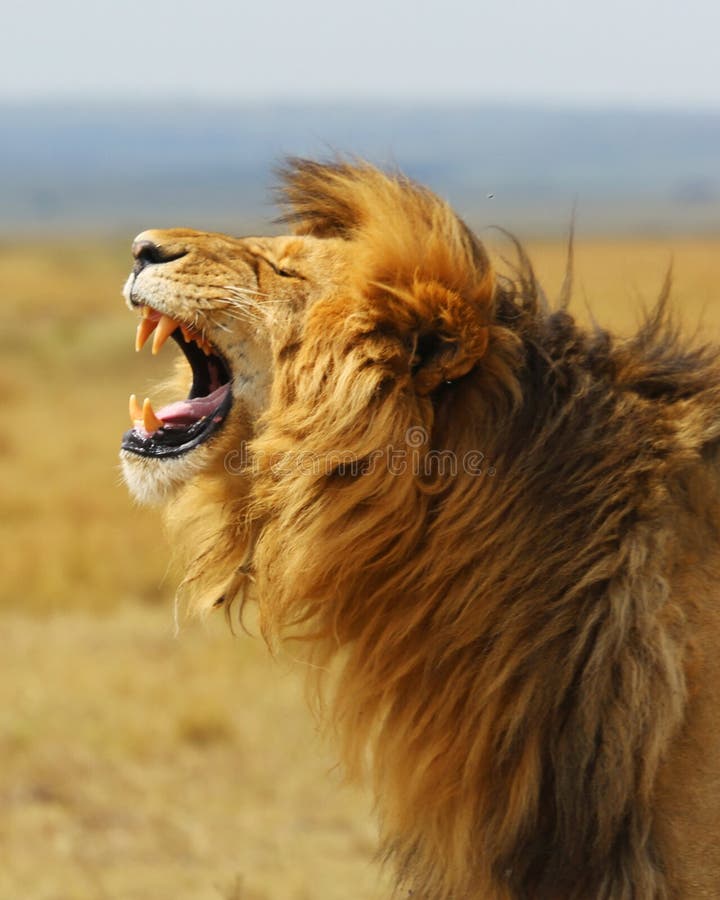
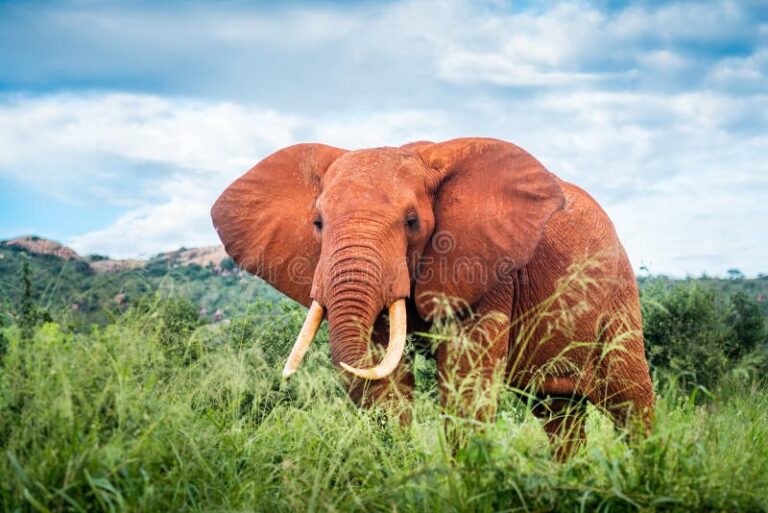
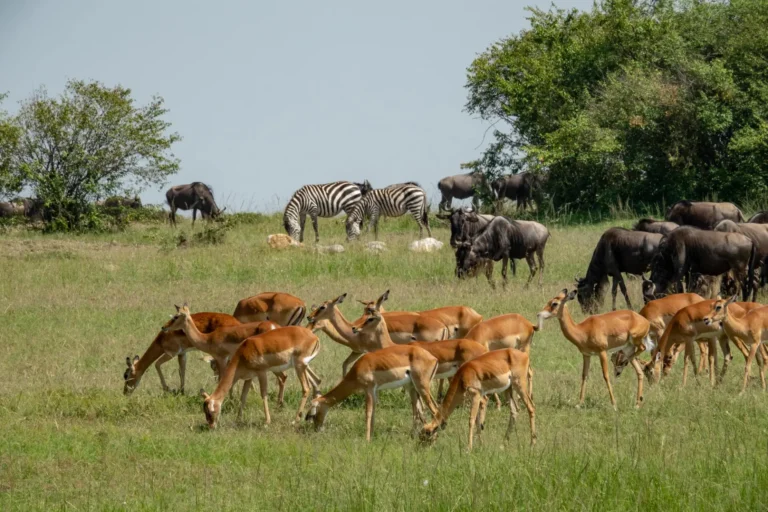
Big five Kenya sightings, lion, leopard, elephant, buffalo and rhino, are the single most asked about goal for first time visitors and Kenya delivers on all five better than almost anywhere else in Africa.
- FromUSD 8503 day Nairobi to Masai Mara Big Five safari, per person sharing
- DurationRead time 10 min
- StartsAnywhere in Kenya
- Best forFirst timers who want to know exactly where to look
- StyleAll travelers
Rated 5.0 on Google from 46 reviews. Price confirmed in writing before you pay.
The term itself comes from old hunting language, the five animals considered hardest to hunt on foot and has simply carried over into modern safari talk as shorthand for the most sought after sightings.
This big five Kenya guide covers exactly which parks give you the best odds at each animal, how many days you realistically need and honest answers to the questions we get asked most before booking.
Highlights
- The Masai Mara is Kenya’s strongest single park for all five species
- Lake Nakuru and Ol Pejeta are the most reliable rhino sightings in the country
- Amboseli offers among the best elephant viewing anywhere in Africa
- Leopard is the hardest of the five to spot reliably, patience matters most here
- 3 to 5 days gives strong odds at seeing all five on one trip
- Private conservancies often beat the main reserves for leopard and rhino odds
Big Five Kenya Safari Prices, USD per person sharing
| Trip | Duration | From |
|---|---|---|
| Nairobi to Masai Mara | 3 days | USD 850 |
| Mara, Nakuru and Amboseli | 6 days | about USD 1,750 |
| Full classic circuit | 8 days | USD 2,200 |
- Guide price per person sharing, mid range camps, low season, confirmed in writing before payment
- Rhino odds improve further with a stop at Lake Nakuru or Ol Pejeta added to any big five Kenya route
- Private conservancy add ons for leopard and rhino tracking cost more but raise your odds noticeably
Get my exact price on WhatsApp
What Are the Big Five?
The big five Kenya animals are lion, leopard, elephant, African buffalo and rhino, both black and white species counted together under this single historic term.
The name has nothing to do with size or danger alone, it originally referred to the five animals big game hunters considered hardest and most dangerous to hunt on foot, a phrase that safari operators later adopted for wildlife viewing instead.
Big Five Kenya: Which Parks Have All Five Animals?
The Masai Mara is Kenya’s strongest single park for a genuine big five Kenya sighting, home to healthy resident populations of lion, elephant and buffalo, regular leopard sightings and black rhino in its private conservancies.
Amboseli, Lake Nakuru and the greater Tsavo ecosystem also hold all five species, though rhino numbers are lower and more concentrated in specific protected sanctuaries within each park.
Big Five Kenya Rhino Spotting: Where to Go
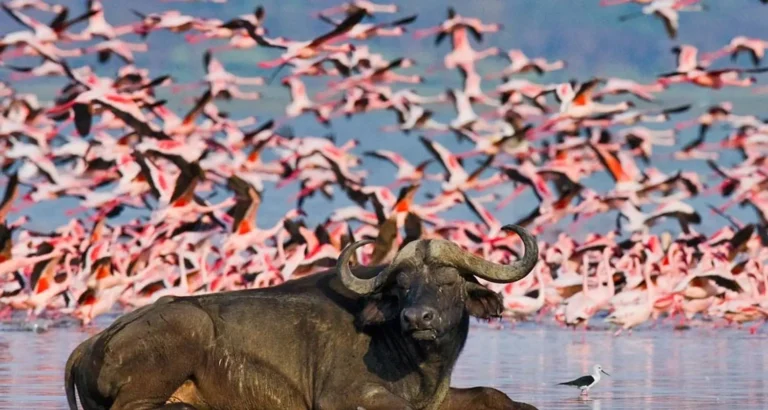
Lake Nakuru National Park is the single most reliable big five Kenya stop for rhino, with a fenced sanctuary protecting a healthy population of both black and white rhino in a relatively compact area.
Ol Pejeta Conservancy near Nanyuki is also excellent and home to the last remaining northern white rhinos on the planet, held under close protection. See our Lake Nakuru day trip page for an easy add on focused specifically on rhino.
How Many Days Do I Need to See the Big Five?
3 days in the Masai Mara alone gives strong odds at 4 of the 5, lion, elephant, buffalo and often leopard, though rhino usually needs a separate stop at Nakuru or a conservancy known for the species.
5 to 8 days across 2 or 3 parks gives the best realistic odds of a genuine big five Kenya sweep on one trip, since it spreads your chances across more habitat and more days of game driving.
Why Leopard Is the Hardest to Spot
Leopard are solitary, largely nocturnal and superbly camouflaged, resting in trees or thick brush during the day and hunting mostly after dark, which makes them the genuine wildcard of any big five Kenya trip.
Private conservancies bordering the Mara allow night drives, which considerably improve leopard odds compared with the main reserve, where night driving is not permitted for any visitor.
Best Park for Elephant Viewing
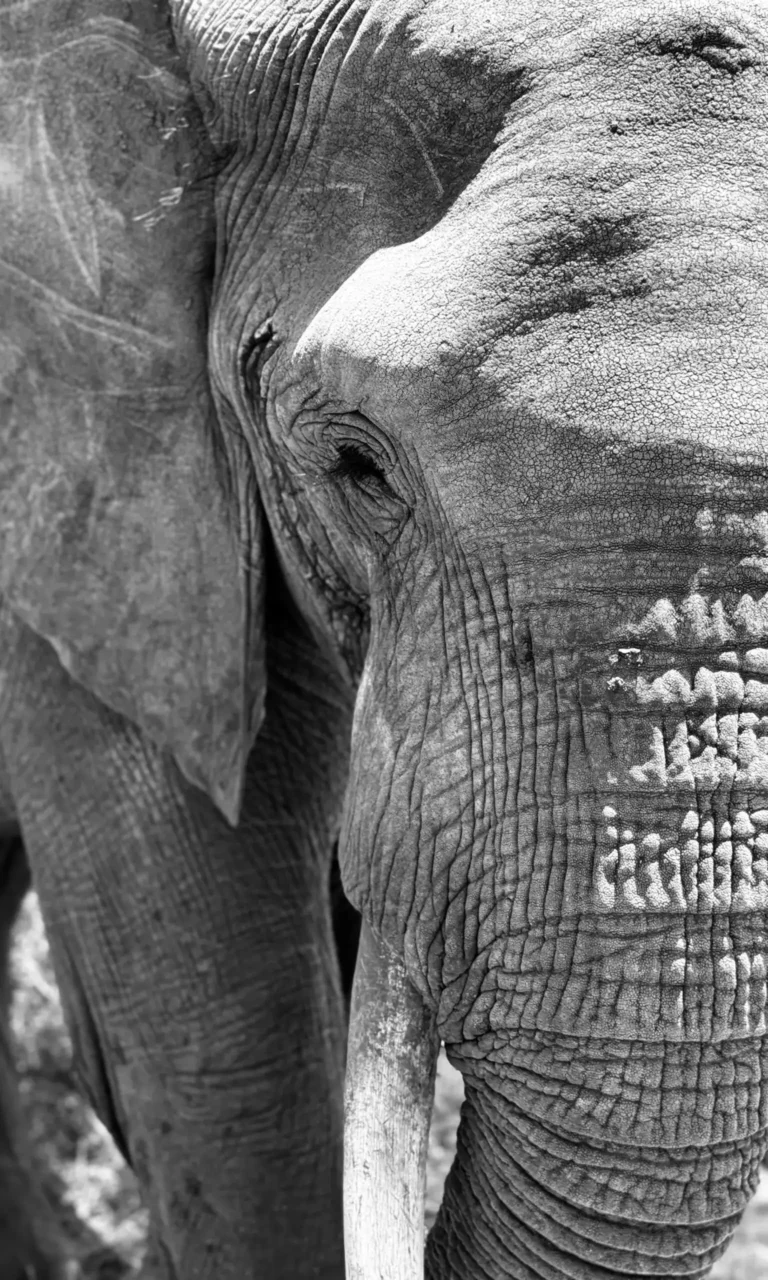
Amboseli is widely considered Kenya’s best elephant park, with large, well studied herds moving across open swampland against Kilimanjaro’s backdrop, giving both close sightings and genuinely striking photographs.
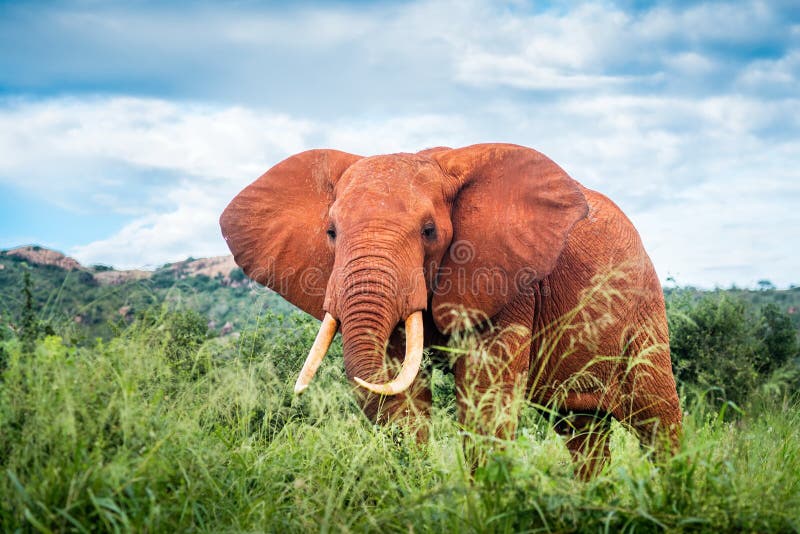
Tsavo East and West also hold strong elephant populations, including some of the famous red dust coated herds that give the park its distinctive look on any big five Kenya itinerary through the region.
Lion and Buffalo, the Easier Two
Lion and buffalo are the two most reliably spotted of the five across almost every major Kenyan park, since both live in visible, often large groups across open terrain rather than hiding in dense cover.
The Masai Mara’s lion prides are especially well studied and habituated to vehicles, making close, relaxed sightings common on almost any big five Kenya game drive through the reserve’s central plains.
Private Conservancies vs the Main Reserve
Conservancies bordering the Masai Mara limit vehicle numbers per sighting and allow night drives and off road tracking, both of which meaningfully raise your odds on the harder big five Kenya animals, leopard and rhino especially.
The trade off is cost, since conservancy camps and their exclusivity fee sit above main reserve equivalents. See our luxury Masai Mara conservancy safari page for a route built around this advantage.
Best Season for Big Five Sightings
Dry months, Jan to Mar and Jun to Oct, concentrate wildlife around remaining water sources and rivers, generally improving sightings odds for every big five Kenya species across most parks.
Wet months still offer good viewing, with lusher scenery and fewer other vehicles, though thicker vegetation can make leopard and rhino marginally harder to spot in some areas. See our Kenya safari month by month guide for a full breakdown.
Combining Parks for the Best Odds
A single park trip concentrates your time but limits you to whatever that specific reserve does best, while a multi park big five Kenya itinerary spreads your odds across different habitats and rhino sanctuaries.
See our 6 day Kenya safari through Mara, Nakuru and Amboseli page for a route built specifically to maximise your chances across all five species.
What a Guide Actually Does to Find the Big Five
Driver guides communicate constantly by radio with other vehicles across the reserve, sharing sightings in real time, which is one of the biggest practical advantages of a guided big five Kenya safari over self driving.
Guides also read tracks, alarm calls from other animals and subtle behaviour cues that most visitors would simply drive straight past without ever noticing anything unusual nearby in the surrounding bush.
Photography Tips for Big Five Sightings
A telephoto lens or a phone with strong zoom helps considerably for distant sightings, especially leopard resting high in a tree or rhino grazing well off the main track. A bean bag or small tripod steadies your shot far better than bracing against a moving vehicle window frame.
Patience beats rushing between reported sightings, since a guide who settles at a promising spot for 20 minutes often gets a better big five Kenya photograph than one chasing every radio call across the reserve.
Big Five Safety and Viewing Etiquette
Stay inside the vehicle at all times near any big five Kenya sighting and follow your guide’s instructions on distance and noise, since these are wild animals reacting naturally to a vehicle’s presence, not a managed enclosure. Sudden movement or raised voices can spook an otherwise calm animal within seconds, ending a good sighting early for everyone nearby.
Reputable operators, including us, never pressure a guide to approach too closely or off road illegally chasing a better photo, since this stresses animals and damages fragile habitat over time.
Which Package Suits a Big Five Focused Trip
Our 3 day Masai Mara group joining safari is a budget entry point, while our 10 day Kenya safari spreads a longer trip across several strong big five Kenya parks.
Tell us specifically that seeing all five animals is your priority when you enquire and we will recommend the route and season combination that genuinely gives you the best realistic odds.
A Short History of the Term
Colonial era hunters coined the original phrase to describe the five animals considered most dangerous and difficult to track and kill on foot, long before cameras replaced rifles as the tool of choice for most modern visitors.
The term stuck around purely out of habit once safari tourism replaced hunting as the dominant activity across East Africa and it remains the most recognisable shorthand in wildlife travel today, even among people who have never picked up a rifle in their life.
Beyond the Five: Other Animals Worth Watching For
Cheetah, giraffe, hippo, crocodile and hundreds of bird species round out a proper safari and many guests end up remembering these sightings just as fondly as any single big animal on the original list. A morning built entirely around a hippo pod wallowing at a river bend can be just as memorable as a distant rhino sighting on the same trip. Keep your expectations open rather than fixed purely on the original five and your whole trip tends to feel richer for it by the end.
A guide focused purely on ticking off five specific species can miss the wider point of a safari, which is really about spending time in a genuinely wild place and seeing whatever that particular day brings you.
Big Five Kenya Sightings for Families
Children tend to enjoy the big five Kenya hunt as a genuine game, ticking off each animal on a checklist through the trip, which keeps energy up even on a longer multi day itinerary.
See our Kenya family safaris page for lodge and pacing advice that pairs well with a big five focused route for families traveling with younger children.
Big Five Kenya vs Tanzania, Where Are the Odds Better?
Kenya and Tanzania both offer strong big five Kenya style odds, since the ecosystem spans the border, with the Serengeti mirroring much of what the Mara offers on the Kenyan side.
Kenya has the edge on accessibility and shorter transfer times from Nairobi, while Tanzania’s Ngorongoro Crater is arguably the single best concentrated spot anywhere for a fast big five sighting in one compact area. See our Kenya vs Tanzania safari comparison for more detail.
Booking a Big Five Kenya Safari
Message us on WhatsApp with your travel dates and how many parks you would like to cover and we will send a written itinerary and quote built around maximising your big five Kenya sightings.
Peak season dates, especially Jun to Oct, book out early for the best conservancy camps known for leopard and rhino, so confirm 3 to 6 months ahead if those specific sightings matter most to you and your travel companions.
Turn this big five Kenya guide into a real trip
Reading about big five Kenya is the fun part. Planning around it is where most people get stuck. Here is how we take you from an idea to a confirmed trip, step by step, with no surprises.
- Send your dates. Message us on WhatsApp with your travel dates, how many people are coming and the ages of any children. Tell us if you have a budget in mind. We plan with it, not around it.
- Get a written quote. We reply with a clear price per person, what it includes and what it does not. No hidden park fees and no vague extras. If a cheaper camp or a shorter route makes more sense, we say so.
- Tweak it until it fits. Change a camp, add a night or swap a park. Ask as many questions as you like. Changes cost nothing until you confirm.
- Confirm with a deposit. A deposit holds your vehicle, guide and rooms. You get a written confirmation with every detail and the date the balance is due.
- Travel day. Your driver guide meets you at your hotel or the airport with a name board. You have their number and ours for the whole trip.
What every trip with us includes
Every big five Kenya plan we put together comes with the basics done properly. You ride in a safari vehicle with a pop up roof, with a professional driver guide who knows the parks. Water is in the cooler box and park fees are sorted in advance so you do not stand in a queue at the gate.
We also stay reachable. If something changes on the road, a flat tyre, a closed route or a sudden storm, we sort it and keep you posted on WhatsApp.
Paying safely
We share payment details in writing only and every payment gets a receipt. The payment options and the balance date sit on your written quote, so nothing is left to memory or a phone call.
Why book with a Nairobi team
We live here. We drive these roads all year, we know which camps are honest about their photos and we know when a park is too busy to enjoy. That local knowledge is what turns a good big five Kenya into a great one. Our Google rating sits at 5.0 from 46 reviews and we plan to keep it that way.
Ready when you are. Send us a message and we will put a plan together for you shortly.
Questions people ask
What are the Big Five?
Lion, leopard, elephant, African buffalo and rhino, both black and white. The big five Kenya term comes from old hunting language describing the five animals hardest to hunt on foot, now used for wildlife viewing instead.
Which Kenyan parks have all of the Big Five?
The Masai Mara is the strongest single park for a genuine big five Kenya sighting. Amboseli, Lake Nakuru and Tsavo also hold all five, though rhino are more concentrated in specific protected sanctuaries.
Where can I see rhinos in Kenya?
Lake Nakuru National Park and Ol Pejeta Conservancy are the most reliable big five Kenya stops for rhino, both protecting healthy black and white rhino populations within fenced or closely guarded sanctuaries.
How many days do I need to see the Big Five?
3 days in the Masai Mara gives strong odds at 4 of 5. A full big five Kenya sweep, including rhino, usually needs 5 to 8 days across 2 or 3 parks for the best realistic chance.
Why is leopard the hardest to spot?
Leopard are solitary, mostly nocturnal and superbly camouflaged. Private conservancies allowing night drives improve big five Kenya leopard odds considerably compared with the main Masai Mara reserve, where night driving is not permitted.
Is a guided safari better than self driving for the Big Five?
Yes, guides use radio networks, tracking skills and behaviour cues that most visitors would miss entirely. This meaningfully raises your odds of a genuine big five Kenya sighting compared with navigating alone.
Official information: Kenya Wildlife Service.
Ready when you are. Send your dates and group size. We reply with a clear price and a plan you can change.
Chat on WhatsAppYou may also like
 Luxury Maasai Mara Conservancy Safari (4 Days, Fly In)4 days, 3 nightsFrom USD 2,450
 6 Day Kenya Safari: Maasai Mara, Lake Nakuru and Amboseli6 days, 5 nightsFrom USD 1,290
 Lake Nakuru Day Trip from Nairobi1 full day, about 9 to 10 hours totalFrom USD 1803 Day Maasai Mara Group Joining Safari (Budget, Daily Departures)3 days, 2 nightsFrom USD 395
 10 Day Kenya Safari: Samburu, Ol Pejeta, Lakes, Maasai Mara and Amboseli10 days, 9 nightsFrom USD 3,050Kenya Safari Month by Month: Weather, Wildlife and PricesRead time 10 minFrom USD 850